
Category: STRETCH

  • 6 Best Lip Liner Stains 2026 for Precise, All-Day Definition

    6 Best Lip Liner Stains 2026 for Precise, All-Day Definition

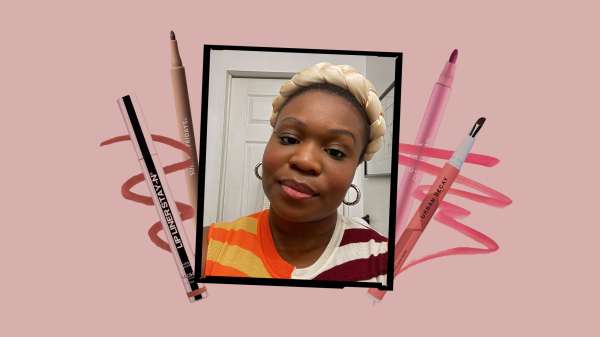
    A collage of an Allure editor wearing a Summer Fridays lip liner stain alongside other product silos and product swipes...Collage: Paula Balondo; Source images: Courtesy of Allure editors and brandsSave StorySave this storySave StorySave this story

    If you love the definition, color, and contour of a lip liner but want it to last all day, let us introduce you to the best lip liner stains. Combining the precision of a traditional liner with the staying power of a stain, these hybrid formulas help you shape your lips without worrying about your liner disappearing by lunchtime. Many offer comfortable, non-drying 12-hour wear time, but some of them even boast up to 24 hours—not that we’re ever awake that long, but good to know they’ve got us covered if our plans get a little crazier than intended. The shade ranges are impressive, too, ranging from natural, your-lips-but-better to bolder pigments.

    Our Top Lip Liner Stains

    • Best Overall: Summer Fridays Flushed Lip Stain, $22
    • Best Peel-Off: Sacheu Lip Liner Stay-N Peel Off Lip Stain, $14
    • Best Multitasking: Urban Decay Lip Toy Brush Staining Lip Liner, $25
    • Best Drugstore: CoverGirl Outlast LipStain, $12

    So, how do you choose between a lip liner stain or a traditional lip liner? According to New York City makeup artist Natalie Dresher, there’s room for both. While a classic liner delivers the sharpest, most precise outline, a lip liner stain leaves behind long-lasting pigment that stays put all day. A lip liner stain will “last through food, drink, talking, and kissing, but it might not have that super crisp edge a lip liner would provide,” she says. In other words, if you love a defined lip but hate constant touch-ups, a lip liner stain is worth adding to your routine. Swipe a gloss, lip oil, or lipstick on top of it, and you’re set for hours. Ahead, the formulas worth outlining and contouring your lips with.

    Frequently Asked QuestionsAccordionItemContainerButtonLargeChevron

    • How do you apply a lip liner stain?
    • How do lip liner stains stay so long?
    • Are lip stains better than lip liner?
    • Meet the experts
    • How we test and review products
    • Our staff and testers

    Best Overall: Summer Fridays Flushed Lip Stain
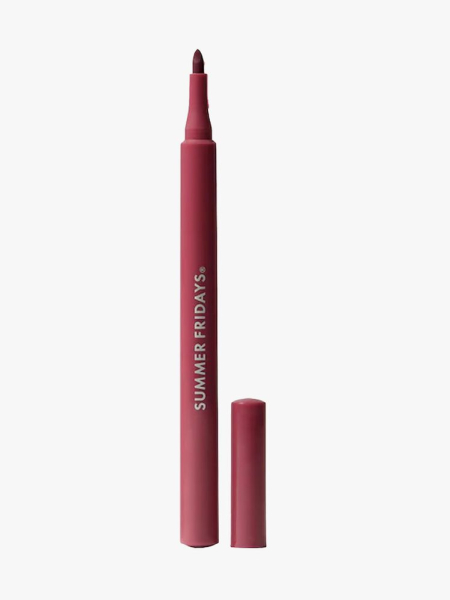
    Summer Fridays Flushed Lip Stain Slipper in branded component on a light gray backgroundSave to wishlistSave to wishlist

    Summer Fridays

    Flushed Lip Stain

    $22

    Sephora

    $22

    Revolve

    Allure commerce market editor Sarah Hoffmann applying the Summer Fridays Flushed Lip Stain

    Why we love it: Rather than depositing bold pigment in a single swipe, the Summer Fridays Flushed Lip Stain builds gradually, requiring a few passes to achieve a more dramatic payoff. So if your ideal lip stain complements your natural lip color, but leans just a little rosier, this is the one to reach for. The marker applicator also makes the stain especially forgiving and easy to customize, especially for beginners: Apply all over for a subtle, just-bitten tint—or, if the formula leans too dry, stick to using it as a liner, as our editor in chief does. This lightweight stain melts into lips with the help of aloe vera gel to support lip barrier health and panthenol to boost shine, hydration, and softness.
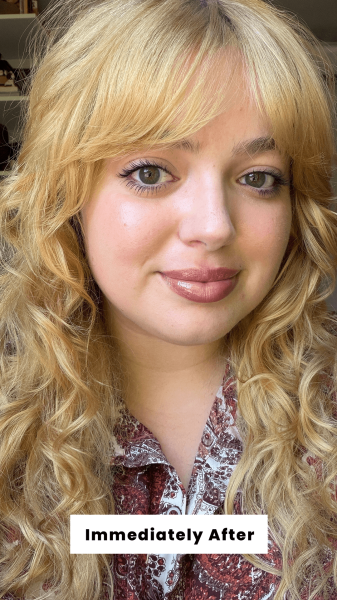
    Image may contain Cat Marnell Blonde Hair Person Face Head Photography Portrait Adult Happy Smile and Cosmetics

    Hoffmann immediately after applying the Summer Fridays Flushed Lip Stain
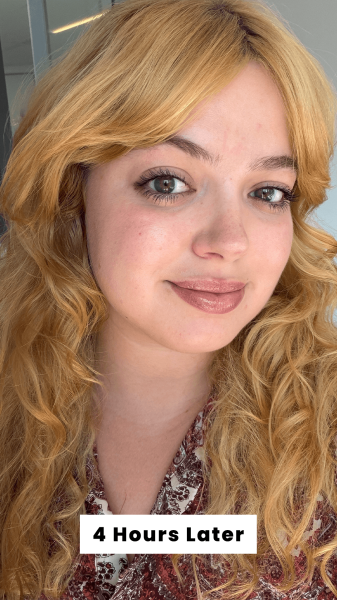
    Image may contain Blonde Hair Person Face Head Photography Portrait Adult Happy Smile Cosmetics and Lipstick

    Hoffmann 4 hours after applying the Summer Fridays Flushed Lip Stain

    Allure editor in chief Jessica Cruel applying the Summer Fridays Flushed Lip Stain

    Jessica CruelA selfie of Allure editor in chief Jessica Cruel after applying the Summer Fridays Flushed Lip Stain
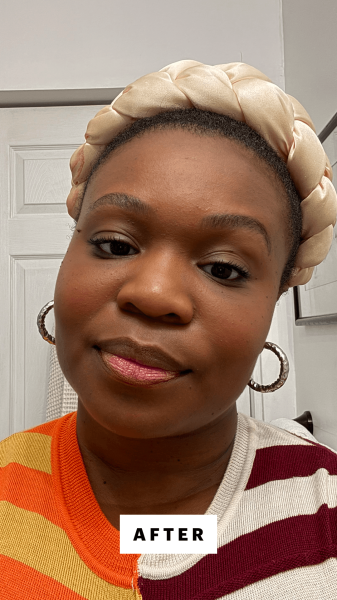
    Cruel after applying the Summer Fridays Flushed Lip Stain

    Jessica Cruel

    Tester feedback from editor in chief Jessica Cruel

    AccordionItemContainerButtonLargeChevron

    “When I first tried this lip marker (because that is exactly what it is), I tried it all over my lip as a stain. It had great lasting power, but it left my lips totally dried out. Now, I use it just as a lip liner, and it's top tier. The tip is the perfect size to get a precise line. The shade Mocha is just a touch darker than my natural lip so I get the definition I want. And it lasts long after the first round of lipstick has faded.” —Jessica Cruel, editor in chief

    Tester feedback from commerce market editor Sarah Hoffmann

    AccordionItemContainerButtonLargeChevron

    "My natural lip color is quite pale, so the Summer Fridays Flushed Lip Stain in Almond is my platonic ideal of a lip shade. I have a double lip line, and I love using this stain to subtly bring color back to the parts of my lips that will literally disappear into the rest of my skin if I don't add a bit of contrast. I generally prefer a soft, blurred liner look, so I do tread carefully with this product and do a lot of finger smudging and blending along the way, but the fussiness is worth it. Lip gloss reapplication on top is a must, but it's not really until I hit the six-ish hour mark that I feel the need to redo my lip liner, which I find pretty impressive, especially because I am constantly working my way through multiple beverages." —Sarah Hoffmann, commerce market editor

    More to know

    AccordionItemContainerButtonLargeChevron

    • Key ingredients: ink-dye technology, aloe vera gel, panthenol
    • Shades: 6

    Best Peel-Off: Sacheu Lip Liner Stay-N Peel Off Lip Stain
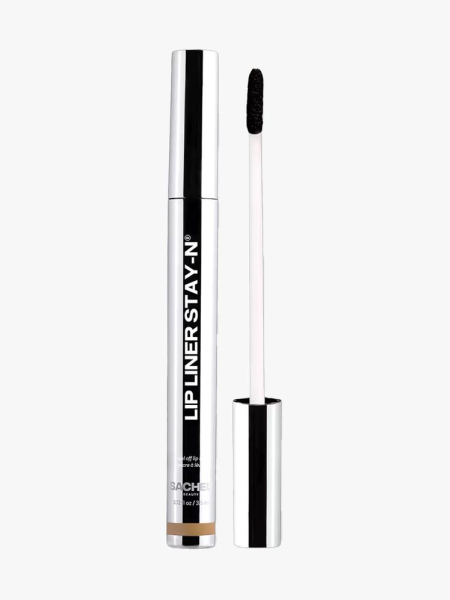
    Sacheu Lip Liner Stay-N Peel Off Lip Stain in branded component on a light gray backgroundSave to wishlistSave to wishlist

    Sacheu

    Lip Liner Stay-N Peel Off Lip Stain

    $14 $10 (29% off)

    Amazon

    $14

    Ulta Beauty

    $14

    Revolve

    Why we love it: Think of Sacheu’s viral Lip Liner Stay-N Peel Off Lip Stain as a lip liner that refuses to quit. Once it’s on, it’s on—no touch-ups every 25 minutes—yet it still feels hydrating thanks to hyaluronic acid and vitamin E. Application is simple: Trace the edges of your lips (the blue hue is temporary!), wait about eight minutes for it to dry, and then gently peel it off to reveal your-lips-but-better color payoff.

    In case you’re wondering: “Polyvinyl alcohol is the ingredient that gives the formula its peelable effect and lasting stain,” cosmetic chemist Laura Lam-Phaure previously told Allure. “It forms a flexible film that adheres to the lips and can be peeled away once fully dry.” Available in 19 shades, it delivers serious staying power—in our tester’s experience, the color lasted about 10 hours without fading. Dresher is especially a fan of the brand’s Noohde shade, noting it provides a “really versatile” stain on the lips.

    Trakoshis peeling off the Sacheu Lip Liner Stay-N Peel Off Lip Stain

    Angela TrakoshisA selfie of former Allure shopping market editor Angela Trakoshis after applying Sacheu Lip Liner StayN Peel Off Lip...
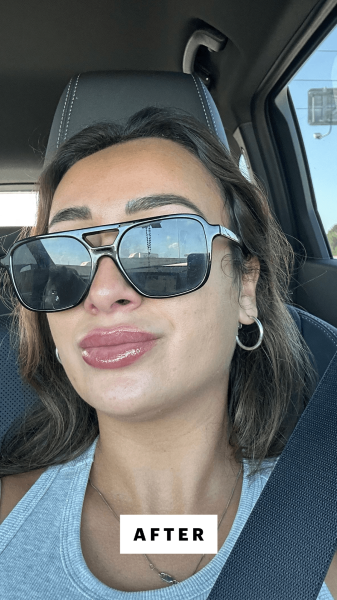
    Trakoshis after applying the Sacheu Lip Liner Stay-N Peel Off Lip Stain with lip gloss

    Angela Trakoshis

    Tester feedback from former shopping market editor Angela Trakoshis

    AccordionItemContainerButtonLargeChevron

    “When I say this lip stain lasts, I mean it. I applied it in the morning, kissed my husband Matt goodbye as he left for work, drank my morning juice, went to the gym, ate lunch, and had a Diet Coke and a snack. Despite this, my lip line remained intact hours later—no reapplying necessary. It’s transfer-proof too, so I don’t have to worry about it rubbing off onto my Stanley straw, my face, or my Matt (bless). So when did it fade? Not until I scrubbed it off at 10 p.m.—impressive, I know.” —Angela Trakoshis, former shopping market editor

    More to know

    AccordionItemContainerButtonLargeChevron

    • Key ingredients: hyaluronic acid, vitamin E, polyvinyl alcohol
    • Shades: 19

    Best Multitasking: Urban Decay Lip Toy Brush Staining Lip Liner
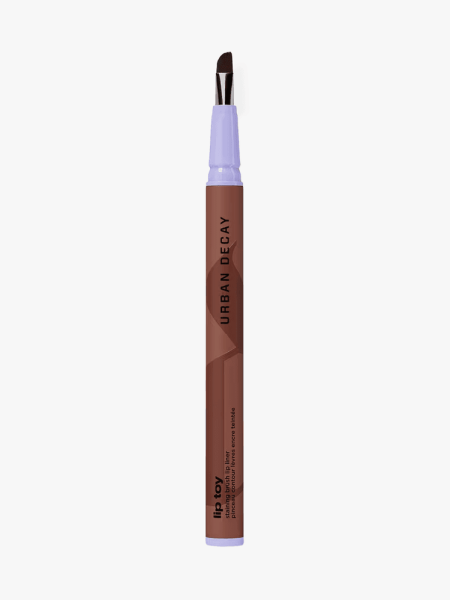
    Urban Decay Lip Toy Brush Staining Lip Liner in branded component on a light gray backgroundSave to wishlistSave to wishlist

    Urban Decay

    Lip Toy Brush Staining Lip Liner

    $25

    Amazon

    $25

    Ulta Beauty

    $25

    Sephora

    Allure commerce editor Sarah Han applying the Urban Decay Lip Toy Brush Staining Lip Liner

    Sarah Han

    Why we love it: No need to choose between a lip liner stain and an all-over lip stain, thanks to Urban Decay’s Lip Toy Brush Staining Lip Liner. The multitasker features a clever tapered brush applicator that lets you customize your lip look with a single product. Use the pointed edge to define and shape your lips, or flip the brush and use the flat side to sweep the formula across your lips for an all-over stain (read: no need to carry a slew of lip products with you at all times). It offers a soft wash of long-lasting color that dries down to a transfer-resistant finish, and to add to its versatility, you can also use it to get the trending blurred lip effect thanks to the soft-edged brush applicator.
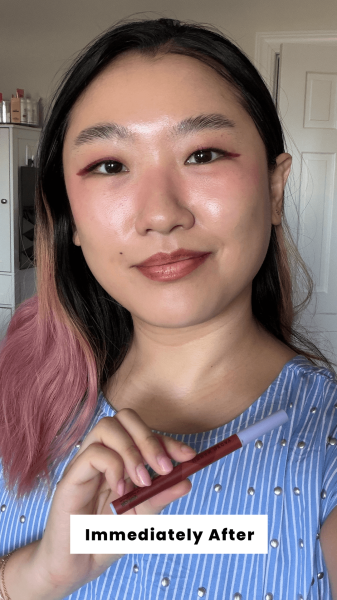
    Han immediately after applying the Urban Decay Lip Toy Brush Staining Lip Liner

    Han immediately after applying the Urban Decay Lip Toy Brush Staining Lip Liner

    Sarah HanHan 4 hours after applying the Urban Decay Lip Toy Brush Staining Lip Liner
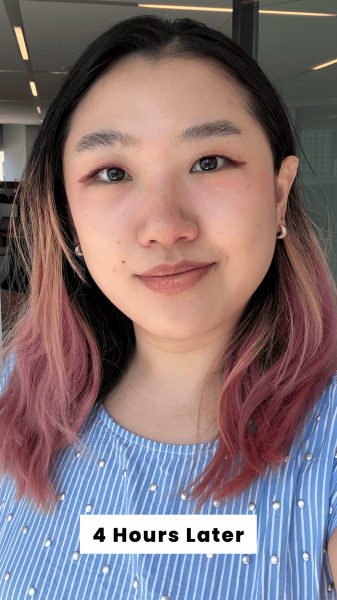
    Han 4 hours after applying the Urban Decay Lip Toy Brush Staining Lip Liner

    Sarah Han

    Tester feedback from commerce editor Sarah Han

    AccordionItemContainerButtonLargeChevron

    “I like filling in my lips slightly instead of only outlining, which is why Urban Decay’s brush applicator caught my attention right away. I trace my lip line all around with the pointed edge before using the flat side to fill my lips about a third to a half of the way towards the middle. The pigment can be a little subtle at first—think watercolor—but it’s somewhat buildable. It gives me a lovely, blurred finish that pairs beautifully with just about any lip formula—I’ve been into pairing the liner with anything from a lip stain (for longer wear time) to a glossy lip balm (on a casual day).” —Sarah Han, commerce editor

    More to know

    AccordionItemContainerButtonLargeChevron

    • Key ingredients: glycerin
    • Shades: 6

    Best Long-Lasting: Maybelline New York Super Stay Peel-Off Lip Liner
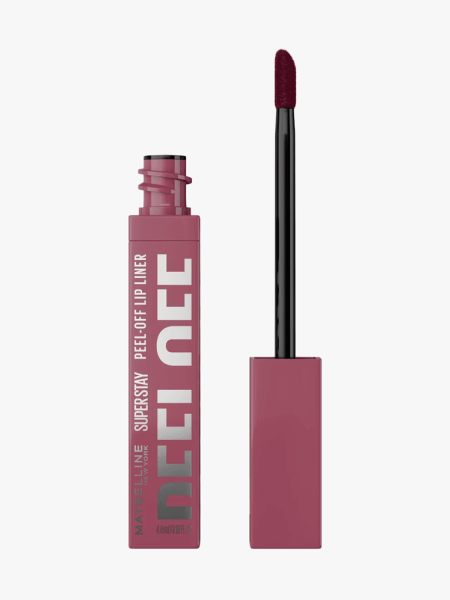
    Maybelline New York Super Stay Peel-Off Lip Liner in branded component on a light gray backgroundSave to wishlistSave to wishlist

    Maybelline New York

    Super Stay Peel-Off Lip Liner

    $10

    Amazon

    $10

    Walmart

    Allure commerce editorial assistant Hailey Roy applying the Maybelline New York Super Stay Peel-Off Lip Liner

    Hailey Roy

    Why we love it: Remember the lip-blushing tattoo trend, the semi-permanent treatment that enhances the color and definition of your lips? Well, if you’re not a fan of the permanence or needles of it all, you can get similar results with Maybelline New York’s Super Stay Peel-Off Lip Liner. Designed to last up to 24 hours, you get the look, feel, and staying power of lip blushing without the downsides. It’s also easy to use: After drawing it onto your lip lines, let it sit for five minutes before peeling it off. Offered in five buildable, natural shades, you can add anything from a little contour to bold definition to your lips.
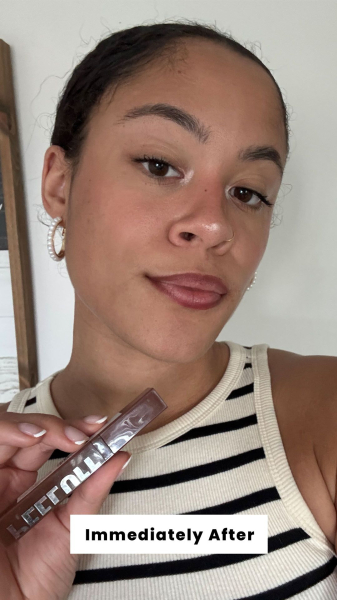
    Hailey Roy immediately after applying the Maybelline New York Super Stay PeelOff Lip Liner

    Roy immediately after applying the Maybelline New York Super Stay Peel-Off Lip Liner

    Hailey RoyHailey Roy 4 hours after applying the Maybelline New York Super Stay PeelOff Lip Liner
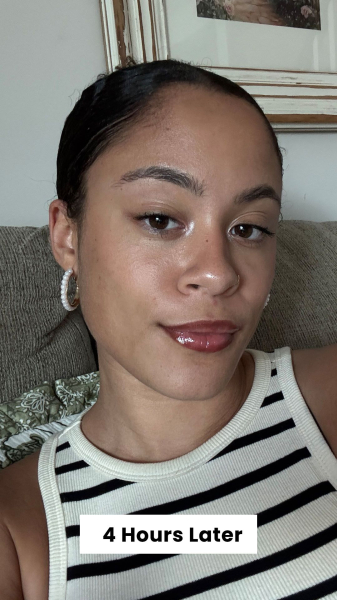
    Roy 4 hours after applying the Maybelline New York Super Stay Peel-Off Lip Liner

    Hailey Roy

    Tester feedback from commerce editorial assistant Hailey Roy

    AccordionItemContainerButtonLargeChevron

    “As someone with slightly shaky hands, this liner took me a few days of testing to master the perfect double lines. But once I got the hang of the tricky application, I was obsessed. The long-lasting formula left a stain on my lips for hours, making the extra effort worth it. The applicator is on the thicker side, which definitely adds to the learning curve, especially if you have thinner lips. But being able to eat, drink, yap all night, and still have my lip liner intact makes it all worth it. I recommend pairing it with a pigmented lip gloss or lipstick to better match the deeper color around the edges.” —Hailey Roy, commerce editorial assistant

    More to know

    AccordionItemContainerButtonLargeChevron

    • Key ingredients: glycerin, vitamin E
    • Shades: 5

    Best Drugstore: CoverGirl Outlast LipStain
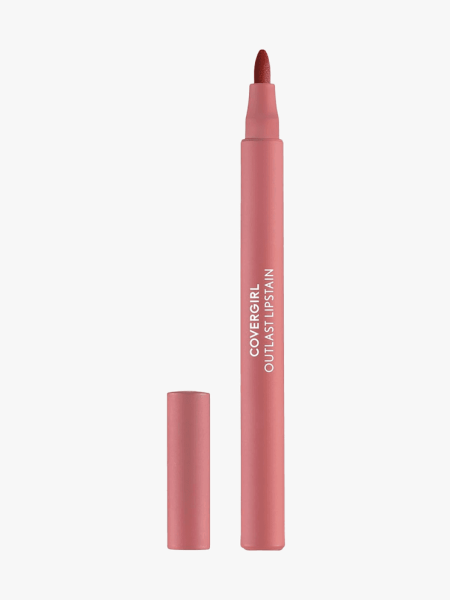
    CoverGirl branded lip component in pink on light gray backgroundSave to wishlistSave to wishlist

    CoverGirl

    Outlast LipStain

    $12 $9 (25% off)

    Amazon

    $12

    Ulta Beauty

    Allure contributing commerce writer Christa Joanna Lee applying the CoverGirl Outlast LipStain

    Christa Joanna Lee

    Why we love it: When CoverGirl’s Outlast LipStain first graced our lips in the late 2000s, it became an instant classic. It was one of the first major drugstore felt-tip lip marker formulas, and shades like Iconic Ruby and Iconic Darling were hugely popular. Now, it’s back with an extended shade range (nearly 20 options!), a vegan formula, and the same long-lasting all-day performance that made it so widely loved. It’s designed to be transfer-proof and lightweight (read: you can wear it as a liner or all over your lips for a natural wash of color), and it counts Dresher amongst its legion of fans.
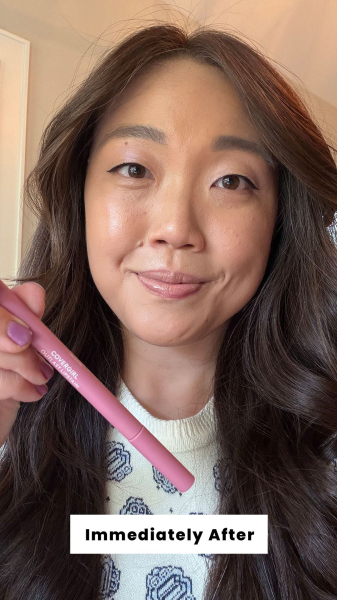
    Christa Lee immediately after applying the CoverGirl Outlast LipStain
    Lee immediately after applying the CoverGirl Outlast LipStain

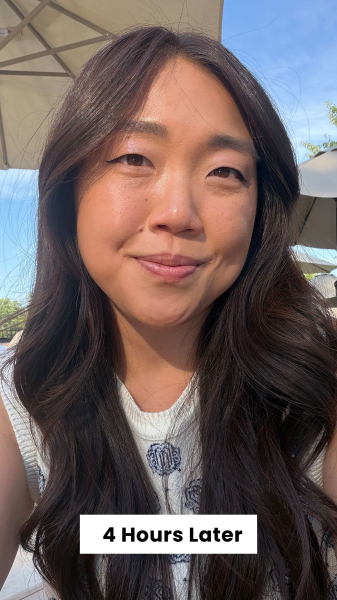
    Christa Lee 4 hours after applying the CoverGirl Outlast LipStain

    Lee 4 hours after applying the CoverGirl Outlast LipStain

    Tester feedback from contributing commerce writer Christa Joanna Lee

    AccordionItemContainerButtonLargeChevron

    “I've never been much of a lip liner person, mostly because I don't have the patience (or the steady hands) to carefully trace the exact outline of my lips. CoverGirl's Outlast Lipstain was basically made for newbies like me. Instead of a pencil, it uses a marker-like applicator that's much more forgiving, making it easy to sketch on subtle definition without feeling like you'd have to start all over if you mess up a little. I reached for Sugey Girl, a soft nude shade that gave my lips a your-lips-but-better look. On me, the color stayed noticeable for about four or five hours before fading, which I thought was respectable. I also tested the much bolder hot pink shade, Epic, and that one barely budged from morning until dinner—which makes sense given the deeper pigment. My favorite part, though, is the formula. It never felt drying, chalky, or sticky—it was so lightweight that I forgot I was wearing it.” —Christa Joanna Lee, contributing commerce writer

    More to know

    AccordionItemContainerButtonLargeChevron

    • Key ingredients: glycerin, plant-based acacia tree extract
    • Shades: 17

    Best for Dry Lips: Tarte Maracuja Juicy Lip Stain
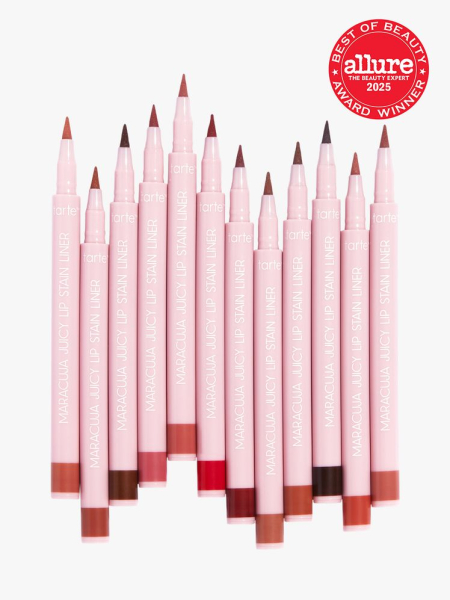
    Tarte Maracuja Juicy Lip Stain Liners in branded pink pen style applicators on light gray background with red Allure Best of Beauty seal in the top right cornerSave to wishlistSave to wishlist

    Tarte

    Maracuja Juicy Lip Stain Liner

    $23

    Tarte

    Allure senior beauty editor Jesa Marie Calaor applying the Tarte Maracuja Juicy Lip Stain

    Jesa Marie Calaor

    Why we love it: Tarte’s Maracuja Juicy Lip Stain Liner stands out for its impressive list of moisturizing and hydrating ingredients (maracuja oil, hyaluronic acid, and castor oil, to name a few) to keep lips looking plump and pillowy. The 2025 Allure Best of Beauty Award winner also boasts a super-pigmented shade range and staying power, lasting through heat and humidity and only requiring a touch-up after several hours. Plus, its felt-tip design allows for precise definition, and the formula doesn’t add any extra texture to the lips—instead, it invisibly hydrates with maracuja oil, hyaluronic acid, and castor oil. It can be layered effortlessly with any lip product on top (sans smudging). After using the felt tip to trace your lip line, hold the tip at an angle to fill in your lips easily and quickly.
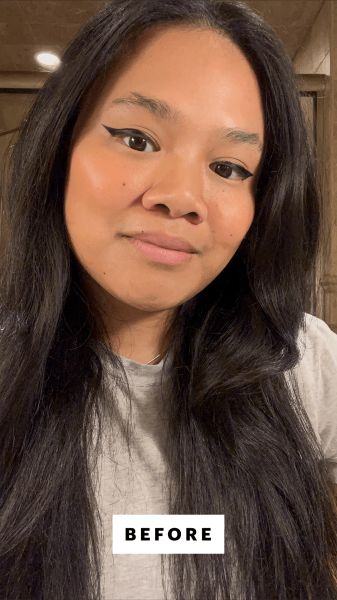
    Calaor before applying the Tarte Maracuja Juicy Lip Stain

    Calaor before applying the Tarte Maracuja Juicy Lip Stain

    Jesa Marie CalaorCalaor after applying the Tarte Maracuja Juicy Lip Stain
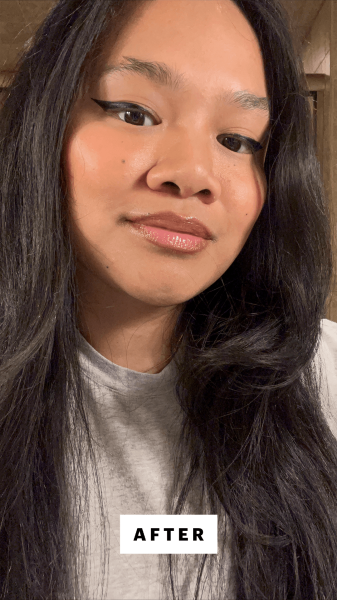
    Calaor after applying the Tarte Maracuja Juicy Lip Stain

    Jesa Marie Calaor

    Tester feedback from senior beauty editor Jesa Marie Calaor

    AccordionItemContainerButtonLargeChevron

    “I keep at least two beverages with me at all times—a matcha latte for energy and water for real hydration—which means most lip products don’t last more than just the selfie I put them on for. This tint, though, actually survives constant contact with straws. It dries down quickly, staying put once it’s set (even under layers of gloss). It does fade eventually (I noticed it was gone after a few hours and a snack), but I always keep the slim pencil with me for quick touch-ups.” —Jesa Marie Calaor, senior beauty editor

    More to know

    AccordionItemContainerButtonLargeChevron

    • Key ingredients: maracuja oil, superfruit complex, hyaluronic acid, castor oil, olive oil
    • Shades: 12

    Frequently Asked Questions

    How do you apply a lip liner stain?

    According to New York City-based makeup artist Crystal Gossman, the way you apply a lip liner stain depends on its form. “If the applicator is a felt-tip pen, I draw it on and use a hydrating lip balm on top,” she says. On the contrary, if it’s a lip stain that you’re using as liner, she would use a lip brush to create a fine liner on the outer lip and then go in with her finger to pat the stain across the lips until the coverage is even and diffused.

    How do lip liner stains stay so long?

    Gossman explains that lip stains last longer because they’re mostly alcohol- or water-based rather than emollient-based. Cosmetic chemist Kelly Dobos adds that the key is pigment concentration: The more pigment a lip color contains, the more it can actually stain the lips. That’s why lip stains typically pack a higher pigment load than traditional lipsticks.

    Are lip stains better than lip liner?

    One isn’t inherently better than the other—it all depends on what you’re looking for in your lip product. “Both serve a purpose,” says Dresher. In fact, they actually play well together, and using both can be more beneficial than using just one or the other: “I personally love using a lip stain in the morning, and then sharpening the corners with a lip liner [or lip liner stain] and touching up throughout the day as needed with a lip liner,” Dresher adds. However, if you prefer more natural, subtle contouring, Dresher says a lip stain is the way to go rather than a sharp lip liner.

    Meet the experts

    • Natalie Dresher is a New York City-based makeup artist.
    • Crystal Gossman is a New York City-based makeup artist.
    • Laura Lam-Phaure is a Los Angeles-based cosmetic chemist.
    • Kelly Dobos is a Cincinnati-based cosmetic chemist.

    How we test and review products

    Before reviewing any makeup, we ask questions about a number of factors: What ingredients are in it? Does the brand offer a wide shade range inclusive of consumers with all skin tones and undertones? Is it safe for readers who have sensitive skin or wear contact lenses? Is it on the affordable side or more of a splurge? Is its packaging consciously designed or needlessly wasteful?

    For our review of the best lip liner stains, we enlisted the help of multiple editors, writers, contributors, and makeup artists to review the products. This ensures our testing base spans different skin tones, genders, and dermatological conditions. We considered each product's performance across four primary categories: ingredients, wear and longevity, packaging, and inclusivity. For more on what's involved in our reporting, check out our complete reviews process and methodology page.

    Our staff and testers

    A beauty product is a personal purchase. You might be searching for a face cream to address persistent dryness or a new nail product to add to your Sunday self-care routine; you may simply be browsing around for the latest launches to hit the hair market. No matter what you seek or your individual needs and concerns, Allure wants to ensure that you love anything we recommend in our stories. We believe that having a diverse team of writers and editors—in addition to the wide range of outside testers and industry experts we regularly call upon—is essential to reaching that goal.

    After all, can we really say a skin-care product is the "best" for people over 50 if the only testers we've solicited opinions from folks who have yet to hit 30? Can we honestly deem a high-end diffuser worthy of your hard-earned cash if it's never been tested on curls? We're proud that our staff spans a wide range of ages, skin tones, hair textures, genders, and backgrounds, which means that we are able to fairly assess any beauty product that comes into the beauty closet.

  • No, Lindsay Lohan Didn’t Actually Return to Her Natural Red Hair Color

    No, Lindsay Lohan Didn’t Actually Return to Her Natural Red Hair Color

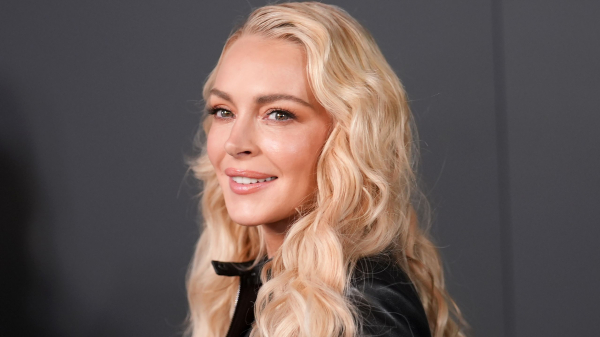
    Lindsay Lohan smilingPhoto: Getty ImagesSave StorySave this storySave StorySave this story

    For a moment there, it seemed like the Lohanaissance had reached its final form. Lindsay Lohan shared an Instagram carousel with what appeared to be a freakin’ gorgeous return to her famous red hair after years of being a blonde, sending fans into a frenzy. Headlines celebrated the return of one of pop culture's most beloved gingers, and commenters immediately began reminiscing about The Parent Trap, Freaky Friday, and other now-vintage movies from the era that made Lohan a household name. But before you call your colorist asking for "Lindsay red," there's something you need to know: She might not have dyed her hair at all.

    Lohan herself offered no confirmation one way or the other, simply captioning the photos with a single red heart emoji. Her hairstylist, Danielle Priano, certainly leaned into the illusion. “For this look, the inspiration was a modern nod to The Parent Trap,” she tells Allure. “We leaned into Lindsay's iconic red hair with soft, effortless waves that felt timeless, healthy, and full of movement. I wanted it to have that nostalgic feel while still looking elevated and current—beautiful, touchable hair that let her new copper color be the star.”

    Instagram content

    That certainly sounds like a fresh color transformation. But Priano's own Instagram post tells a slightly different story. She tagged wig maker Rob Pickens and the wig company What Wigs, strongly suggesting that Lohan's revived copper look is actually a beautifully crafted wig rather than a childhood-inspired dye job.

    That hasn't stopped fans from celebrating the apparent return of her natural color. Comments poured in, with one person writing, "yesss shes a redhead againnnn," while another declared Lohan "the most iconic redhead in pop culture." Others were simply thrilled to see the familiar shade back, commenting, "There she is!!! Babe, you are STUNNING in red!!!" And because the internet can never resist connecting dots, one hopeful fan wrote, “Ohhh its on! Its definitely happening! Parents trap 2, I know it, I can feel it coming! So excited for it.”

    Whether it's courtesy of permanent color or an impeccably made wig, one thing is undeniable: Seeing Lohan framed by that warm red hue instantly taps into a collective sense of nostalgia. If that was the goal, mission accomplished.

  • 8 Best Floral Perfumes, Tested and Reviewed

    8 Best Floral Perfumes, Tested and Reviewed

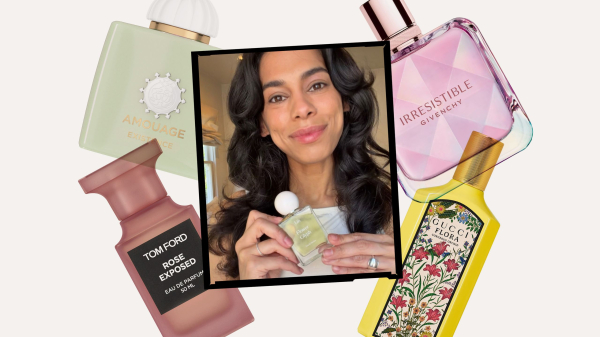
    A collage of an Allure editor holding a Liis perfume bottle alongside other product silos on a light gray backgroundCollage: Paula Balondo; Source images: Courtesy of brands and editorsSave StorySave this storySave StorySave this story

    A few spritzes of the best floral perfumes can instantly transport you to the first warm day of spring, a lush garden in full bloom, or even your favorite Parisian pâtisserie—it all depends on the notes. Better yet: Today's florals are anything but basic, pairing classic blooms with unexpected ingredients like fig, pistachio, leather, sea salt, and incense.

    TL;DR: Florals are far from one-dimensional scents these days. If you're a gourmand girlie, you'll adore Gucci's Flora Gorgeous Orchid Eau de Parfum. Into fruity, uplifting scents? Check out Liis' Flower Glyph Eau de Parfum. Want to try a fresh take on a classic? D.S. & Durga's Debaser In Bloom Eau de Parfum is waiting for you.

    Our Top Floral Perfumes

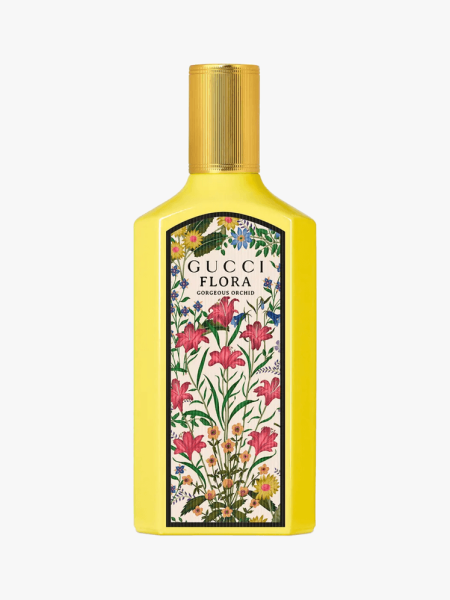
    • Best Vanilla: Gucci Flora Gorgeous Orchid Eau de Parfum, $150 (for 1.6 oz)
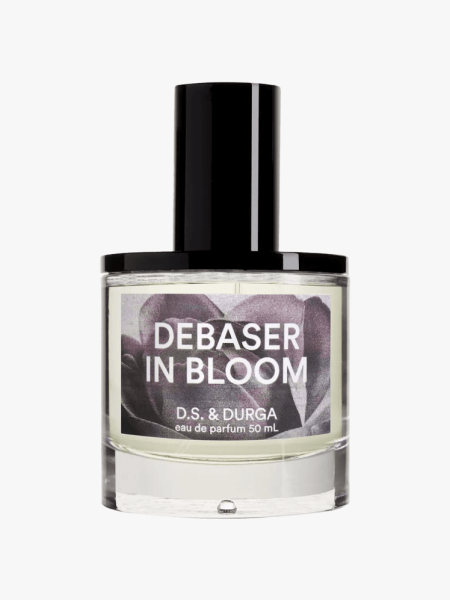
    • Best Gardenia: D.S. & Durga Debaser In Bloom Eau de Parfum, $225 (for 1.7 oz)
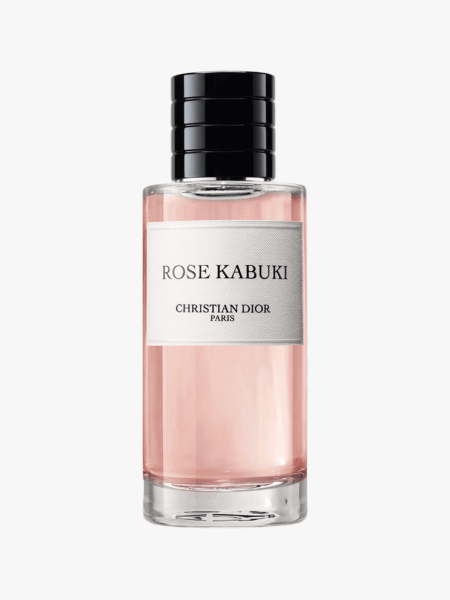
    • Best Rose: Dior La Collection Privée Rose Kabuki Eau de Parfum, $350
    • Best Fruity Floral: Liis Flower Glyph Eau de Parfum, $175
    • Best Gourmand Floral: Givenchy Irresistible Nectar Eau de Parfum, $167 (for 2.7 oz)

    If you still think floral fragrances are all powdery or overly sweet, consider this your sign to give them another chance. Whether you're after a barely-there skin scent, a juicy floral gourmand, or a moody rose perfume with a little edge, there's never been a better time to find your signature bloom. We sniffed our way through the newest launches and all-time favorites—from Gucci, Dior, and Givenchy to more niche brands like D.S. & Durga, Liis, and Elorea—to find the floral perfumes that truly stand out.

    Frequently Asked QuestionsAccordionItemContainerButtonLargeChevron

    • What notes pair well with florals?
    • What floral perfumes work best for summer vs. winter?
    • Which floral notes last the longest?
    • Meet the expert
    • How we test and review products
    • Our staff and testers

    Best Vanilla: Gucci Flora Gorgeous Orchid Eau de Parfum

    Gucci Flora Gorgeous Orchid Eau de Parfum in branded component on a light gray backgroundSave to wishlistSave to wishlist

    Gucci

    Flora Gorgeous Orchid Eau de Parfum

    $150

    Nordstrom

    $150

    Ulta Beauty

    $156

    Sephora

    Allure contributing writer Christa Joanna Lee applying the Gucci Flora Gorgeous Orchid Eau de Parfum

    Christa Joanna Lee

    Why it's worth it: Gucci has given us some of the most memorable floral perfumes—from the sweet, fruity charm of Flora Gorgeous Gardenia to the sunny brightness of Flora Gorgeous Jasmine. As the house's first floral gourmand, Gucci Flora Gorgeous Orchid Eau de Parfum puts a creamy spin on the category, pairing vanilla duo and vanilla orchid with an ocean-inspired accord, “which is what helps keep the scent from feeling too rich or overly sugary,” says contributing commerce writer Christa Joanna Lee. If you've been searching for a warm floral that still feels light and airy, you've found it. And if you fall for the original, there's also the newer Flora Gorgeous Orchid Eau de Parfum Intense, which dials things up with richer vanilla, a salty ozonic accord, and cocoa for a deeper, more ambery twist.

    Tester feedback from contributing commerce writer Christa Joanna Lee

    AccordionItemContainerButtonLargeChevron

    “As someone who almost always reaches for fresh fragrances that smell like just-showered skin or clean sheets, I'm usually wary of anything vanilla-forward—those scents tend to be the fastest route to a headache for me. So I approached Gucci's Flora Gorgeous Orchid Eau de Parfum with a little skepticism. That said, I'd already had good luck with Flora Gorgeous Gardenia, so I was hopeful. I'm happy to report this one won me over, too. The vanilla is noticeable from the very first spritz, but it never feels overly gourmand. Instead, it comes across as creamy rather than sweet. People always talk about wearing a perfume to bed, and I never really understood the appeal—until I tried this. While it’s not quite a skin scent, in my opinion, it’s so cozy and calming.” —Christa Joanna Lee, contributing commerce writer

    More to know

    AccordionItemContainerButtonLargeChevron

    • Key notes: vanilla duo, vanilla orchid, ozonic accord
    • Sizes: 3.3 oz, 1.6 oz,1 oz, 0.33 oz

    Best Gardenia: D.S. & Durga Debaser In Bloom Eau de Parfum

    D.S. & Durga Debaser In Bloom Eau de Parfum in branded component on a light gray backgroundSave to wishlistSave to wishlist

    D.S. & Durga

    Debaser In Bloom Eau de Parfum

    $225

    Nordstrom

    $225

    Bluemercury

    $225

    Revolve

    Allure beauty closet associate Edward Horgan applying the D.S. & Durga Debaser In Bloom Eau de Parfum

    Edward Horgan

    Why it's worth it: If your favorite indie album came bottled as a fragrance, it'd probably smell like D.S. & Durga Debaser In Bloom. Known for creating perfumes with cinematic backstories, D.S. & Durga looked to the Pixies' classic 1989 song "Debaser" for inspiration, bottling its carefree, rebellious energy into a scent that evokes a lazy summer afternoon beneath a fig tree. Creamy fig and fresh fig leaf mingle with coconut milk, powdery iris, blonde woods, and tonka bean, while a nostalgic "cassette tape" (which, of course, is an accord rather than a literal ingredient) recreates the subtly fruity, plasticky scent of cracking open a brand-new tape. Better yet, D.S. & Durga even curated a matching playlist on its website, so you can soundtrack the experience while you wear it.

    Tester feedback from content business operations associate Edward Horgan

    AccordionItemContainerButtonLargeChevron

    “This fragrance is the perfect floral for people who don't typically reach for florals. Debaser In Bloom is a flexible light floral with an almost herbaceous undertone that provides more depth than your typical rosy floral fragrance. I've been enjoying wearing this fragrance on breezy summer days, walking outside and feeling like I'm giving off a fresh-floral aroma without overpowering any room I walk into. ” —Edward Horgan, content business operations associate

    More to know

    AccordionItemContainerButtonLargeChevron

    • Key notes: creamy fig, fresh fig leaf, coconut milk, powdery iris, blonde woods, tonka bean
    • Sizes: 1.7 oz, 3.4 oz

    Best Rose: Dior La Collection Privée Rose Kabuki Eau de Parfum

    Dior Rose Kabuki Eau de Parfum in branded component on a light gray backgroundSave to wishlistSave to wishlist

    Dior

    La Collection Privée Rose Kabuki Eau de Parfum

    $350

    Dior

    Allure beauty director Sarah Kinonen applying the Dior Rose Kabuki Eau de Parfum

    Sarah Kinonen

    Why it's worth it: As if the rosy pink bottle didn't already give it away, Dior’s Rose Kabuki lets roses take center stage. Christian Dior's favorite flower (he famously grew roses in the gardens of his childhood home in Normandy) has long been a signature of the brand. Here, centifolia rose and rose oil mingle with clean white musks and cedarwood to create a soft, powdery fragrance that wears almost like a skin scent. The fragrance also pays tribute to Dior's lifelong admiration for Japanese art and craftsmanship. Named after Japan's iconic Kabuki theater, its soft, powdery rose captures the elegance and refinement of a silk kimono.

    Tester feedback from beauty director Sarah Kinonen

    AccordionItemContainerButtonLargeChevron

    “I'm not big on floral fragrances these days (too much of a good thing, you know?), but every now and then, I like to dabble. Dior's Rose Kabuki is great for that. It's a lighter, softer version of a traditional rose perfume with added notes of warm musk and fresh dew drops, which is probably why I like it so much. One or two spritzes on my neck usually last me all day, but I like to go a little heavy-handed, misting it into my hair, whatever I'm wearing, and sometimes even in my purse." —Sarah Kinonen, beauty director

    More to know

    AccordionItemContainerButtonLargeChevron

    • Key notes: centifolia rose, rose oil, cedarwood
    • Sizes: 1.7 oz, 3.4 oz, 6.8 oz

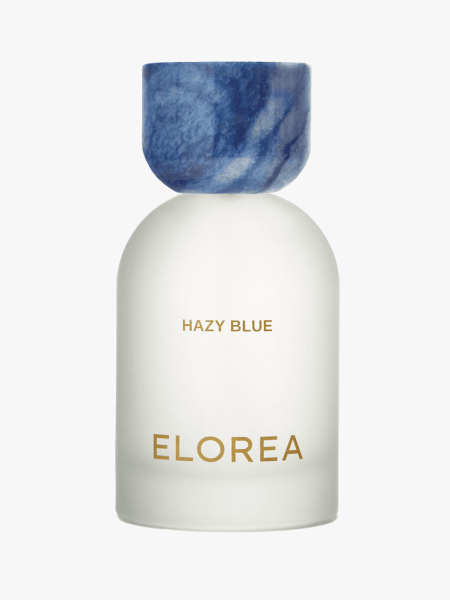
    Best Airy Floral: Elorea Hazy Blue Extrait de Parfum

    Elorea Hazy Blue Extrait de Parfum in branded component on a light gray backgroundSave to wishlistSave to wishlist

    Elorea

    Hazy Blue Extrait de Parfum

    $340

    Elorea

    Allure commerce editor Sarah Han applying the Elorea Hazy Blue Extrait de Parfum

    Sarah Han

    Why it's worth it: Radiating the kind of calm, peaceful energy we could all use a little more of, Elorea's Hazy Blue is inspired by the Korean word ēnae, which describes the fleeting moment in time when a bluish haze settles over the landscape at sunset. Founded by a Korean-American couple living in New York City, Elorea—a portmanteau of "Elements" and "Korea"—creates fragrances inspired by uniquely Korean words and moments that don't always have an English equivalent. Here, ēnae comes to life through a crisp blend of upcycled bergamot, sea salt, and cool ozone accord before unfolding into airy white flowers, including lily of the valley. Sandalwood and amber give the fragrance a soft, skin-like dry-down that's warm without feeling heavy.

    Tester feedback from commerce editor Sarah Han

    AccordionItemContainerButtonLargeChevron

    “If you don't know Elorea, you're sleeping on such a unique brand! I fell in love with the original Hazy Blue scent, which seemingly has a bit of everything I like: floral, aquatic, and a touch of woodiness. I'm admittedly not great at describing scents but the Korean word the scent is inspired by—ēnae [이내], a.k.a. the bluish, hazy energy visible in the distance at sunset—sums it up nicely! It smells like a leisurely stroll, which is very much my pace as a not-so-outdoorsy person. It manages to invoke both calming yet uplifting vibes, just what I need as an afternoon pick-me-up—and, thanks to the longer-lasting extrait version, it smells just as good and potent as it did upon first spritz.” —Sarah Han, commerce editor

    More to know

    AccordionItemContainerButtonLargeChevron

    • Key notes: lily of the valley, bergamot, sea salt, ozone accord, sandalwood, amber
    • Size: 3.4 oz

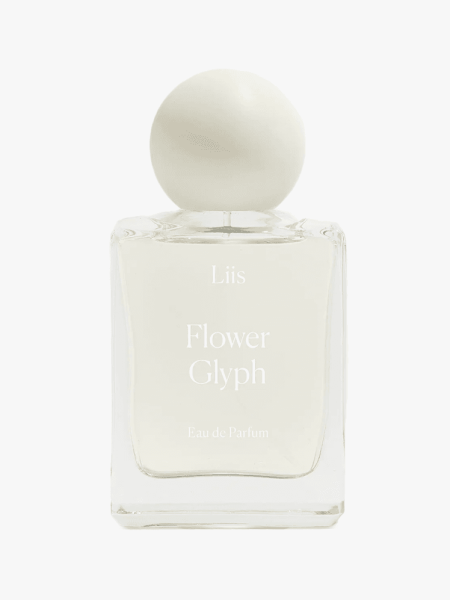
    Best Fruity Floral: Liis Flower Glyph Eau de Parfum

    Liis Flower Glyph in branded component on a light gray backgroundSave to wishlistSave to wishlist

    Liis

    Flower Glyph Eau de Parfum

    $175

    Revolve

    $178

    Liis

    Allure senior commerce director Shanna Shipin applying the Liis Flower Glyph

    Shanna Shipin

    Why it's worth it: If you're drawn to understated, artistic fragrances that wear like a second skin, Liis has that “je ne sais quoi,” according to our senior commerce director, Shanna Shipin. Just as individual letters come together to tell a story, Flower Glyph imagines every flower as its own symbolic "glyph." The fragrance trades a single standout flower for layers of juicy mirabelle plum, jasmine sambac, honeysuckle, and golden pollen, capturing the feeling of an entire garden in bloom. Plus, an iridescent ink accord—which isn’t a real ingredient, but a perfumer's interpretation of the shimmer of fresh ink on paper—adds a clean edge that keeps the fragrance from feeling too sweet or predictable.

    Tester feedback from senior commerce director Shanna Shipin

    AccordionItemContainerButtonLargeChevron

    “A comforting floral—is that something that exists? It does now. Leave it to Liis to craft such a unique and refreshingly modern fragrance that’s instantly addictive. What drew me to this fragrance is, well, for one, I'm a huge fan of Liis and wanted to try another spring-summer fragrance that wasn't Floating. Two, because the notes were so interesting to me. There are notes of honeysuckle, plum, jasmine, blueberry, and ‘iridescent ink’ that my untrained nose can’t even detect, but perhaps it's the je ne sais quoi that makes this the most interesting scent in my arsenal. It makes me so happy to wear it; I feel literally lighter, like a flower petal floating through the day until I reapply. I have to say it's not the longest-lasting fragrance, but it's well worth the double-spritz.” —Shanna Shipin, senior commerce director

    More to know

    AccordionItemContainerButtonLargeChevron

    • Key notes: mirabelle plum, blueberry, jasmine sambac, honeysuckle, golden pollen
    • Sizes: 1.7 oz

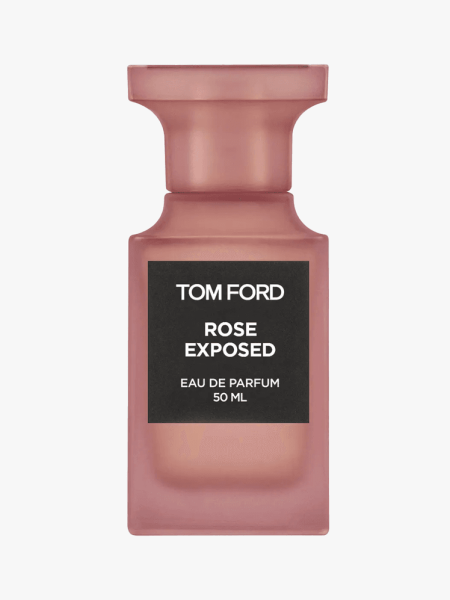
    Best Spicy Floral: Tom Ford Rose Exposed Eau de Parfum

    Tom Ford Rose Exposed in branded component on a light gray backgroundSave to wishlistSave to wishlist

    Tom Ford

    Rose Exposed Eau de Parfum

    $300

    Nordstrom

    Allure associate social media manager Katie Gunderman applying the Tom Ford Rose Exposed

    Katie Gunderman

    Why it's worth it: Growing a healthy rose bush takes months—sometimes even years—but a rose at peak bloom lasts only about a week. Thankfully, Tom Ford's Rose Exposed lets you bottle that brief moment. Rose has long been a staple of fine fragrance thanks to its incredible versatility: It can be fresh, spicy, powdery, fruity, or dark depending on how it's paired. Here, an exclusive rose-on-rose co-distillation—a technique that extracts rose absolute and rose water together—helps the fragrance capture the scent of a freshly picked rose. Then, Tom Ford does what it does best, turning a classic into something sexy, with white pepper for a crisp kick and a black leather accord for a sultry edge. In other words, this is anything but your grandmother's rose.

    ​​Tester feedback from associate social media manager Katie Gunderman

    AccordionItemContainerButtonLargeChevron

    “Rose Exposed is perfect if you like an edgy, unconventional floral. While it has rose base notes, what gives it dimension is its leathery, peppery layers. If you love musk and leather scents but are looking to try a floral, you need to get your hands on this one! It is also very strong and lasts all day on my skin.” —Katie Gunderman, associate social media manager

    More to know

    AccordionItemContainerButtonLargeChevron

    • Key notes: rose, white pepper, black leather accord
    • Sizes: 1 oz, 1.7 oz, 3.4 oz

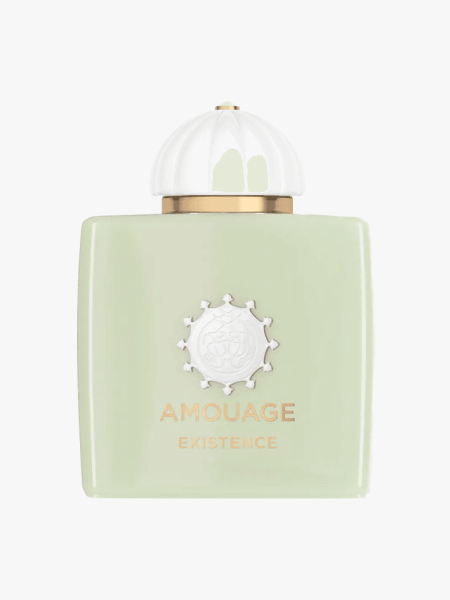
    Best Smoky Floral: Amouage Existence Eau de Parfum

    Amouage Existence Eau de Parfum in branded component on a light gray backgroundSave to wishlistSave to wishlist

    Amouage

    Existence Eau de Parfum

    $395

    Nordstrom

    Allure contributor Kara Nesvig applying the Amouage Existence Eau de Parfum

    Kara Nesvig

    Why it's worth it: If you've never tried an Amouage fragrance, you're in for something special. Founded in Oman in the 1980s to celebrate the country's centuries-old perfume-making traditions, the fragrance house has become known for showcasing the region's prized resinous ingredients, including Omani frankincense, oud, myrrh, and incense. Existence reveals a softer side of frankincense, pairing its gently smoky warmth with a delicate lily-of-the-valley accord (which is a perfumer's recreation of the short-lived flower, since its scent can't be naturally extracted). Fresh rose adds brightness before benzoin, white musk, and ambergris add coziness. When you want a floral that feels a little mysterious, this one fits the bill.

    Tester feedback from contributor Kara Nesvig

    AccordionItemContainerButtonLargeChevron

    “Amouage's Existence isn't what you think of when you think about a floral fragrance, and that's why I love it. I'm a huge floral fragrance fan, but this spicy, incense-y fragrance filled a void in my collection, and I truly cannot get enough of it. Lily of the valley and rose are the hero floral notes, deepened by the addition of frankincense. But the spiciness isn't heavy or overpowering, thanks to aldehydes for lift and sparkle and a base of ambergris and benzoin. Existence doesn't sound like a summer scent on paper, but it radiates in the heat so beautifully that I never want to stop wearing it.” —Kara Nesvig, contributor

    More to know

    AccordionItemContainerButtonLargeChevron

    • Key notes: frankincense, lily of the valley, rose, benzoin, white musk, ambergris
    • Size: 3.4 oz

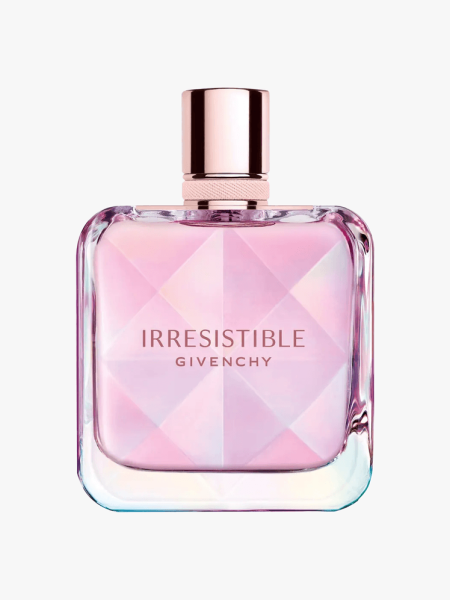
    Best Gourmand Floral: Givenchy Irresistible Nectar Eau de Parfum

    Givenchy Irresistible Nectar Eau de Parfum in branded component on a light gray backgroundSave to wishlistSave to wishlist

    Givenchy

    Irresistible Nectar Eau de Parfum

    $167

    Nordstrom

    $167

    Ulta Beauty

    Lee applying the Givenchy Irresistible Nectar Eau de Parfum

    Christa Joanna Lee

    Why it's worth it: If a fragrance is good enough to eat, it's probably a gourmand—so who better to help create one than a pastry chef? For Irresistible Nectar, Givenchy teamed up with acclaimed pâtissier François Daubinet, drawing inspiration from the artistry of French pâtisseries to create its first floral gourmand. “Irresistible Nectar gives rose the kind of dimension I always look for,” says Jeniece Trizzino, VP of innovation and product at Scentbird and Drift, based in New York City. “The floral heart is wrapped in pistachio cream and vanilla wood, creating something creamy and indulgent, while neroli provides enough brightness.” Every spritz is as sophisticated as it is indulgent—like your favorite rose macaron.

    Tester feedback from Lee

    AccordionItemContainerButtonLargeChevron

    “I don't typically go for gourmands, and Givenchy's Irresistible Nectar Eau de Parfum is definitely more of a notice-me perfume than the airy, barely-there scents I usually gravitate toward. But I didn't realize someone could actually smell chic until I met this fragrance. It's not a powdery rose—which isn't really my jam—and despite being a gourmand, it's not overly sweet. That perfect in-between is what makes it feel so sophisticated to me, especially for date nights and special occasions. Since it has more presence than my everyday fragrances, one subtle spritz on my wrist is the right amount for me; I gently pat it onto the pulse points on my neck, and it lingers all day.” —Christa Joanna Lee, contributing commerce writer

    More to know

    AccordionItemContainerButtonLargeChevron

    • Key notes: neroli, pistachio, warm vanilla wood
    • Sizes: 1.2 oz, 1.7 oz, 2.7 oz

    Frequently Asked Questions

    What notes pair well with florals?

    Floral perfumes pair beautifully with notes that either "ground them, add contrast, or change their emotional character," says Trizzino. Woods like sandalwood and cedar make florals feel deeper and more sophisticated, while musk, amber, and vanilla add warmth and sensuality. For a brighter, more modern take, she recommends “fruity notes like peach, apricot, plum, or citrus, which give florals brightness."

    Trizzino is especially drawn to the less expected combinations emerging now. “Spices like cardamom, saffron, and black pepper can give florals a darker, more genderless edge, while green tea, basil, mint, and aquatic notes make them feel fresher and more calming," she says. Gourmand notes such as honey, cocoa, and caramel create "a more comforting, indulgent effect, but the most compelling fragrances are those where the floral remains recognizable and another note gives it tension or dimension."

    What floral perfumes work best for summer vs. winter?

    Traditionally, summer florals tend to feel "lighter, brighter, and more transparent," says Trizzino. She recommends looking for notes like orange blossom, neroli, magnolia, peony, lily of the valley, and softer jasmine, especially when they're paired with citrus, green notes, or airy musks. Those combinations, she says, stay "fresh and radiant in the heat."

    In winter, Trizzino says florals often take on a richer, more enveloping character. Tuberose, jasmine sambac, deeper rose, gardenia, violet, and osmanthus pair beautifully with amber, vanilla, spices, woods, or smoky notes, giving them "warmth, depth, and a more cocooning quality during colder months." Still, she doesn't believe you have to swap fragrances with the seasons. "When I find something I love, I wear it all year," she says. "To me, the more important question is how a fragrance makes you feel, not whether it follows a seasonal rule."

    Which floral notes last the longest?

    If longevity is your top priority, Trizzino recommends looking to white florals. "Tuberose is generally one of the longest-lasting floral notes, followed closely by orange blossom and ylang-ylang," she says. "These white florals tend to have more natural weight and intensity, so they hold their presence longer on the skin than lighter, more transparent notes."

    Jasmine and gardenia can also last for hours, though Trizzino notes their performance "depends heavily on how the fragrance is built." Fragrances anchored by richer base notes—think woods, musks, and amber—tend to help these florals last longer on skin. Rose, magnolia, lily of the valley, orchid, and heliotrope tend to have more moderate longevity on their own, but they can last "significantly longer when anchored with musk, amber, resins, or woods." She also points out that concentration matters: "An eau de parfum or extrait will generally wear longer than a lighter format built around the same floral note."

    Meet the expert

    • Jeniece Trizzino, VP of innovation and product at Scentbird and Drift, based in New York City

    How we test and review products

    When Allure tests a product, our editors look at it from every angle in an effort to best serve you. We review ingredients, scrutinize brand claims, and, when necessary, examine peer-reviewed scientific and medical studies. In addition to testing each and every product that's included in each and every review, we rely on experts who shape their fields, including dermatology, cosmetic chemistry, and medicine, to help us vet the ingredients and formulas.

    For our list of the best floral perfumes, we considered each product's performance across five primary categories: product ingredients and efficacy, packaging, fragrance, texture, and product wear. Every product was determined to have excelled in each category by our editorial team, which is composed of in-house writers and editors as well as contributors. To learn more information on our reporting and testing processes, read our complete reviews process and methodology page.

    Our staff and testers

    A beauty product is a personal purchase. You might be searching for a face cream to address persistent dryness or a new nail product to add to your Sunday self-care routine; you may simply be browsing around for the latest launches to hit the hair market. No matter what you seek or your individual needs and concerns, Allure wants to ensure that you love anything we recommend in our stories. We believe that having a diverse team of writers and editors—in addition to the wide range of outside testers and industry experts we regularly call upon—is essential to reaching that goal.

    After all, can we really say a skin-care product is the "best" for people over 50 if the only testers we've solicited opinions from folks who have yet to hit 30? Can we honestly deem a high-end diffuser worthy of your hard-earned cash if it's never been tested on curls? We're proud that our staff spans a wide range of ages, skin tones, hair textures, genders, and backgrounds, which means that we are able to fairly assess any beauty product that comes into the beauty closet.
  • What Happened After I Quit My Botox, Fillers, Lasers, and GLP-1s

    What Happened After I Quit My Botox, Fillers, Lasers, and GLP-1s

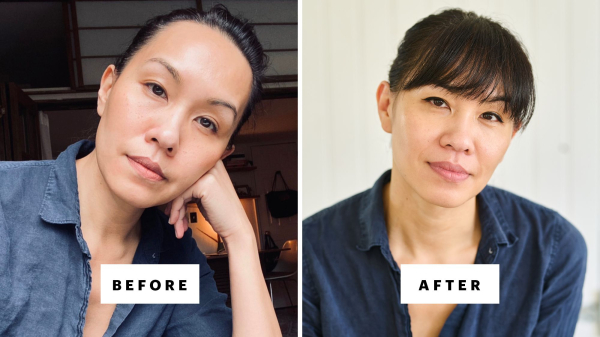
    On the left a photo of woman when she was getting Botox and fillers and on the right the same woman after she stopped...Courtesy of subjectSave StorySave this storySave StorySave this story

    The scale read nearly the same weight I had been when my husband and I first met 20 years ago, and nearly the same number I had once spent years clawing toward, the number I had injected myself with off-brand Ozempic for three months trying to reach, white-knuckling my way toward something I was convinced would finally make me feel like myself. And here it was, arrived without effort or deprivation. The body, it turns out, knows how to find its place once you stop punishing it into submission.

    It was not always this way. For most of my life I believed something was fundamentally wrong with me, and I spent decades trying to correct it from the outside in. During my teenage years, I was consumed with looking like an all-American girl, despite being Asian and knowing that I simply could not replicate that standard naturally. In the ‘90s, I bought Covergirl cosmetics religiously. I wore eye shadows to make my eyes appear bigger, rounder, more Western. I wanted foundation that would lighten my skin, concealer to make my nose look thinner. I slowly hijacked my mother’s makeup box, scoured thrift stores for clothes that would create curves where there were none. And the pattern that began there never really stopped. In my mind, there was always something wrong with me: I was too skinny, then too fat, too flat-chested, not tall enough, not pretty enough, not smart enough, not likable enough. That sense of inadequacy grew inside me until it became indistinguishable from my own identity.

    ArrowArrow

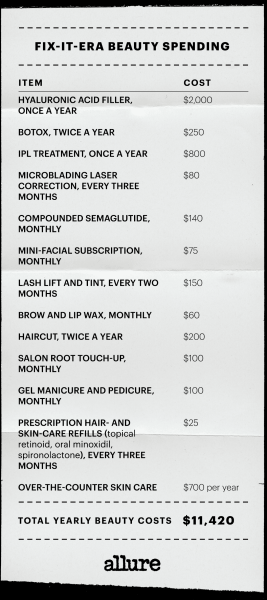
    My remedy for this was to negate every physical item on that list. In my 20s, I wore heavy makeup, push-up bras, five-inch heels, and seriously considered getting a boob job. In my 30s, I obsessed over mini-facials, lash lifts, brow laminations, and microblading—which was great until one session where the artist went full throttle on my brows, launching a two-year obsession with removal using painful lasers and acids. In my 40s, the needle entered the picture: Botox, fillers, compounded semaglutide. I even thought I was in need of a facelift. I remember looking at my Amex bill every month, watching the dollars climb into the thousands, and feeling strangely and profoundly underwhelmed with myself. I looked in the mirror and saw someone who had done a great deal of work to look like a slightly better version of her anxiety. That’s when I began to suspect the problem was deeper than the surface.

    Image may contain Text Document and Receipt

    Illustration by Mark Baker-Sanchez/Allure; Photo: Adobe Stock

    My experiment began on my birthday, over a year ago, in a perfectly neutral medical office in the middle of the Upper East Side, where the stark white walls intermingled with the dull gray cabinetry and trim, precise and professional in their sterility. Sitting in the designer cushioned chair, I looked around at faces with muted expressions, most likely paralyzed mid-feeling by Botox. My doctor, a pregnant Asian woman also in her 40s, looked oddly like a teenager carrying her own baby to term. She was the walking billboard for what she performed, with skin so clear and smooth it seemed digitally rendered. Looking at her, the absolute pinnacle of youthful perfection, I realized I didn’t actually want to resemble that anymore.

    I looked in the mirror and saw someone who had done a great deal of work to look like a slightly better version of her anxiety.

    She was a frozen clock, a face I would have liked to know, but stripped of the marks of time, there was nothing left on it worth knowing. So, when her office emailed to confirm my next filler appointment, I pushed it a week. That week became two, then three, then six months, then more. I also stopped the GLP-1 medications, thinking that I wanted to let my face and body settle into itself. I wanted to learn to see myself as actually and plainly myself. What would follow were the five stages of grief.

    Stage 1: Denial

    I didn’t recognize myself, or maybe I just didn’t like what I saw. I was so accustomed to the smoothed, filled, slenderized version that the real one looked like a stranger. I avoided staring in the mirror at all costs. And instead I filled the hours, restlessly, almost accidentally, with other things. I picked up books I had been meaning to read for years. I rejoined the gym and ran determinedly toward a 5K twice a week. I focused my attention on applying—impulsively and half-terrifingly—to an MFA program in creative writing. I told myself I was just staying busy, but in actuality I didn’t yet understand I was building something.

    Stage 2: Anger

    I became angry at myself for the years lost in that cycle of self-obsession. At the things I could not control. At the particular cruelty of perimenopause arriving precisely as I had decided to make peace with myself, at the hair thinning, the skin shifting, the body renegotiating every term that we had agreed on. At the money I spent trying to outrun a process that was simply and biologically happening whether I liked it or not. I was angry in the way you are angry when you finally see a con for what it is and realize you were a willing participant.

    Stage 3: Bargaining

    Late in the evenings, I would stalk my dermatologist’s website, scouring for promotions that might make that one appointment worthwhile. I just needed half a vial of Botox for my elevens, one syringe of filler for my smile lines. No one would know or notice but me, I told myself. I had entire conversations with myself about this in my bed, my car, at work. What saved me, in part, was that I had somewhere else to be. A workshop that happened every Tuesday and a craft seminar every Thursday, where classmates would want to talk about the essay I had written and not what I looked like writing it. (By now I had been accepted into that MFA program.) I started building friendships around ideas rather than aesthetics, with people who knew me as a writer, a thinker, a woman with something to say.

    Image may contain Text and Page

    Illustration by Mark Baker-Sanchez/Allure; Photo: Adobe Stock

    Stage 4: Depression

    This is the stage no one warns you about. It’s not so much dramatic or debilitating, just a low, loathsome feeling that settles inside you like damp weather. I felt ugly in a way I hadn’t since I was 13, with that particular helplessness of a girl who didn’t yet have the money or the agency to fix what she thought was broken. I had no control then, and I had chosen to have none now, which made it worse. In studying the creases on my face, I began to mourn my youth the way you mourn something you didn’t appreciate until it was already gone. I felt envious of younger women, sad in their presence in a way I couldn’t articulate. It was grief for the version of myself I had spent decades constructing, and the terrifying blankness of not knowing who else was underneath.

    It was grief for the version of myself I had spent decades constructing, and the terrifying blankness of not knowing who else was underneath.

    What pulled me through this stage was somewhat incremental, almost boring: a book finished, a page written, a conversation with a friend or colleague that mattered. I went back to school in my 40s and sat in classrooms with people who cared about sentences, about ideas, about the precise word for an imprecise feeling. I started writing more seriously than I ever had, which meant I started paying attention more seriously than I ever had to the world and to myself.

    Stage 5: Acceptance

    After a year of grieving the loss of my facial structure, something shifted. I remember it vividly: I was in a workshop. Someone was responding to a piece I had written, something personal and exposed, and they were taking it rather seriously. I remember the specific quality of that feeling, of being seen—not as a pretty face but as a mind. As a voice. I drove home that evening and caught myself in the rearview mirror and didn’t look away—the face of a woman in her mid-40s who had been through things. I looked at her for a long moment and thought, There you are.

    Writers have always understood that the interior is the real territory, that the examined life is the only one that coheres. In immersing myself in the scholarly life, I realized that good books and genuine friendships built around ideas had done what the needle could never do: made me more interesting to myself.

    I was angry in the way you are angry when you finally see a con for what it is, and realize you were a willing participant.

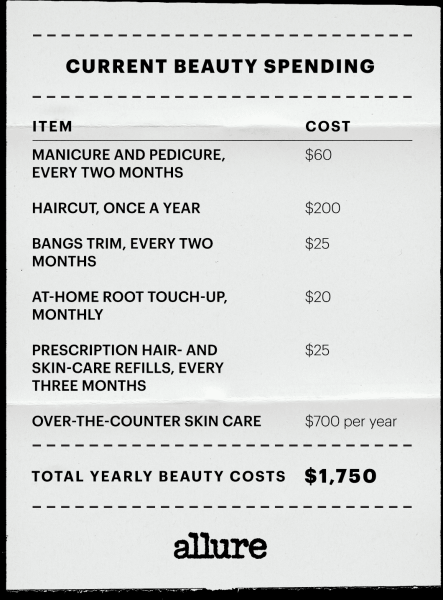
    My vanity hasn’t fully evaporated; it’s just become more selective. I take oral minoxidil and spironolactone for my hair loss, I get manicures sometimes, and I still dye my grays. But the insecurity that once ate me from the inside is largely gone. These days my regimen is skin care over makeup: a prescription retinoid, hydrating serums, a couple of fancy creams, the occasional flick of liquid liner to lift my eyes a little. The difference is that these are pleasures now, not corrections.

    This is how the scale finally settled for me. For the first time in my life, I was eating intuitively, sleeping better, moving through the world with less ambient dread. My husband, when I asked, said he never much noticed the treatments to begin with, that he liked me before them, and would have liked me without them, and he never understood the years in between. My friends and colleagues said something similar. If anything, they remarked over the course of this experiment that I seemed happier, lighter, as though happiness was itself a form of beauty. What I learned from all of this was that by abandoning the project of punishing and tightening and shrinking myself, my body stopped fighting back. It found its place. I suppose the body follows the mind when you finally stop starving both.

    Photos: Courtesy of subject; Stephan Schacher; Harold Julian

    Read more personal essays about aging and intervention:

    • Is the Backlash to Facial Conformity Finally Upon Us?
    • Denise Richards' Unfiltered Facelift Photos Are the Transparency We Need
    • After 50, I Thought I Could Let Myself Go. Are We Not Doing That Anymore?
  • Can You Fake a Blepharoplasty? I Gave It My Best Shot.

    Can You Fake a Blepharoplasty? I Gave It My Best Shot.

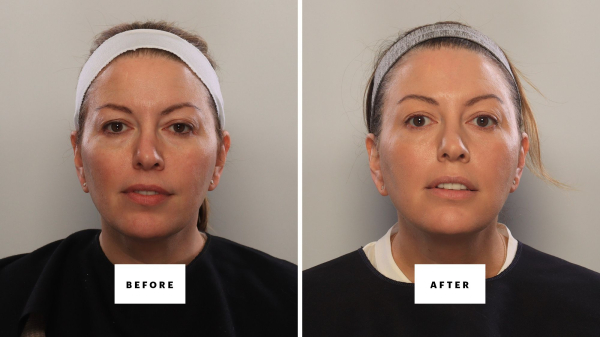
    a woman in her 40s before and after 8 treatments to lift her eyelids without a blepharoplastyCourtesy SubjectSave StorySave this storySave StorySave this story

    I didn't recognize her until I spotted the necklace.

    My neighbor was waving at me from across the restaurant, and I genuinely had no idea who she was. The face was unfamiliar—wide-eyed, oddly taut in a way that read as alert but not quite right. It was the distinctive pendant at her collarbone that gave her away. She’d had a blepharoplasty. And it had worked, technically. Her lids were lifted, her eyes were open, her face was refreshed. She just didn’t look like herself anymore.

    I went home and canceled my consultation.

    I’d been building toward a bleph consult for months. It started the way these things usually do, in the unforgiving overlap of Zoom meetings and late-afternoon light. Not wrinkles exactly, but a heaviness in my eyelids that made my resting face look perpetually exhausted. In response, I did what any beauty journalist with access and curiosity would do. I experimented. Heated metal pyramids stamped across my eyelids (Tixel). Electromagnetic pulses fired through my brow muscles (EmFace). High-pressure microjets punched beneath my skin (Enerjet). All in pursuit of looking—and feeling—less tired.

    I’ve always had mild eyelid hooding, or ptosis. You can see it in childhood photos. It never really bothered me. But in my early 40s, something shifted. My upper lids began to actually feel heavier. That sliver of lid visible between crease and lash line seemed to vanish beneath a sagging overhang. By mid-afternoon, I was fighting to keep my eyes open. My dad, who is 80, has watched his lids slowly descend into his visual field, partially obstructing his vision on particularly saggy days. I’m looking at the early chapters of that story, which also includes a subplot: A few millimeters south, my undereye bags have inflated over time, beyond the usual post-salty-meal puff.

    When I brought up my situation to multiple dermatologists (see: access, curiosity), they casually floated: “You could always do a blepharoplasty.” Not in a judgey way, but with the nonchalance of suggesting I get my cracked phone screen fixed.

    Blepharoplasty—surgically removing or repositioning excess eyelid skin and fat—is consistently among the top five cosmetic surgical procedures in the US, according to the American Society of Plastic Surgeons, and interest is only growing. On TikTok (which my over-40 female algorithm has turned into BlephTok), the hashtag #blepharoplasty has amassed more than 542 million views, while before-and-afters and surgeon reaction clips have become their own booming subgenre.

    As plastic surgery goes, blepharoplasty is a relatively straightforward procedure with a minimal recovery time. As plastic surgery goes. This is still very much surgery with the attendant financial and physical and emotional tolls. So a new question has entered the mainstream: How close can today’s nonsurgical tools actually get you to that lifted, rested look a bleph is meant to provide? I decided to find out the hard way, with my own face.

    Why Eyes Age the Way They Do

    The upper face plays a central role in nonverbal communication, with the eyes, brows, and forehead transmitting many of the emotional cues people use to perceive us. We read the eyes first. They broadcast mood, vitality, threat, trust. Shift the position of the eyelids even a millimeter, and the entire expression recalibrates. The mechanics of how this happens are more layered than most people realize. As we age, our anatomy shifts, affecting what our face conveys. “The shape of the eye socket remodels, and the bone breaks down,” says Joshua Zeichner, MD, a board-certified dermatologist in New York City. “Plus, soft tissue volume shifts, so the eyes physically sit deeper within the skull.”

    At the same time, the internal “scaffolding” that holds up the eyes—called the orbital septum—gradually relaxes. This is where saggy undereye bags come in. “The fat can protrude forward as the orbital septum becomes thinner and less supple,” says Robert Schwarcz, MD, a board-certified oculoplastic surgeon in New York City who specializes in blepharoplasties. Additionally, “the orbicularis oculi muscle loosens and descends downward.” Dr. Zeichner offers a more visual metaphor: “You’re wearing a pair of Spanx that has loosened over time, and the fat is bulging out.”

    Adam Kolker, MD, a board-certified plastic surgeon in New York City, offers a counterintuitive explanation on the puffiness many of us mistake for weight gain. “People misconstrue that extra fullness of the lower eyelid as gaining fat. It’s actually the opposite. The septum becomes lax, and you lose some of the superficial soft tissue volume. When the tide goes out, you see more of the fat pocket and more of the shadow.” And as the anatomy around our eyes evolves, so does the story our eyes can tell so powerfully. Over time, you may have a face that miscommunicates how you feel. You can be wide awake and fully present, but your face reads as disengaged or running on three hours of sleep.

    Here’s the paradox: The same heavy-lidded eyes we now rush to fix were once the definition of sex appeal. From Greta Garbo to Lauren Bacall, "bedroom eyes" signaled seduction. The trouble is, the line between sultry and sleepy is razor thin. And for years, my eyes lived somewhere in between.

    Why I Haven’t Gotten a Blepharoplasty

    Before considering any treatment, I wanted to understand if my heavy lids had something to do with underlying anatomy. So I sent photos to Jason Diamond, MD, a board-certified facial plastic surgeon in Beverly Hills. Two things he said stopped me cold.

    First, from the photos, he thought I might have both ptosis and negative-vector anatomy, though he stressed that only a precise, in-person evaluation could confirm either. Negative vector anatomy sounds extremely concerning but just means my eyes protrude slightly forward relative to my cheekbones. Who knew the positioning of your eyeball inside your skull was part of this equation? “Negative vector patients with ptosis are tough,” he told me. “You have to be very careful about how much skin you remove [in a blepharoplasty] because you can create a real hollow look, like an owl’s eye. The excess skin actually looks better than the alternative.” In other words, a blepharoplasty could correct the hooding, but also, potentially, leave me permanently bug-eyed.

    Second, and more surprisingly: “More than 50% of the time, an endoscopic brow lift is actually more undetectable than doing the upper eyelids,” Dr. Diamond says. Unlike a blepharoplasty, which removes or repositions skin and fat from the eyelid, an endoscopic brow lift works from above, through small incisions hidden in the hairline, releasing the ligaments that tether the brow to the orbital rim. “Think of it like a strip of Velcro running all the way across the brow,” he says. “Once it’s released, you can slide everything back up,” creating the lifting effect of a high ponytail.

    Without releasing those ligaments, even thread lifts don't last. The procedure restores support rather than subtracting tissue, often making it look less "operated on." Maybe my eyelids didn't need anything cut away—they needed support. Plus, my neighbor's bleph result had given me pause, so I decided to see what noninvasive treatments could realistically accomplish first. These can tighten skin and improve texture, but they can't fix the structural laxity behind hooding or reposition bulging fat pads. “A millimeter of fat removal or repositioning, done within an hour in a procedure room, is going to be more valuable than five years of devices,” says Dr. Kolker. Consider my reality checked.

    My “Fake Bleph” Treatment Plan

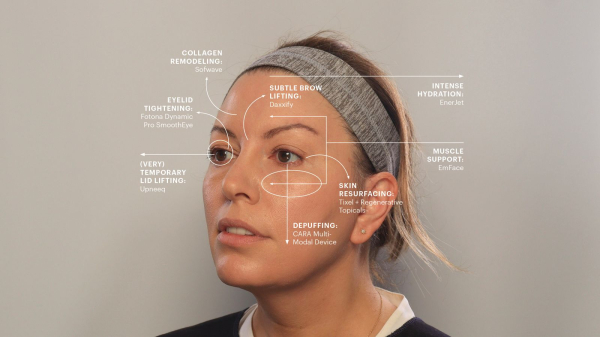
    a graphic illustrating eight treatments a woman had done to fake a blepharoplasty treatmentPhoto: Courtesy Subject; Design: Mark Baker-Sanchez/Allure

    My shift in perspective landed me in the office of Ava Shamban, MD, a board-certified dermatologist in Los Angeles. She was on the same page as Dr. Diamond: “For you, we don’t want to erase the hooding. We want to tighten and support it.” Her strategy involved a series of nonsurgical treatments done both in-office and at home that would target multiple factors: muscle, collagen, surface texture, and ligaments.

    Over the next eight months, I worked through the following protocol in phases. Treatments aimed at improving structural support and skin laxity came first, followed by procedures targeting texture and skin quality. Sometimes I was getting one treatment per appointment; other times, we’d do two in the same session. The sequencing allowed Dr. Shamban to assess how my face responded at each stage and build results gradually rather than chasing a dramatic one-time transformation.

    One note: The downtime and side effects described throughout this story—many of which were minimal or nonexistent—reflect my personal experience. All of these treatments come with some level of risk, and individual results and recovery time may vary based on the treatment, provider, settings, and the patient’s skin.

    1. Muscle Support: EmFace

    EmFace is a 30-minute treatment that combines radiofrequency to stimulate collagen with high-intensity electromagnetic stimulation to contract muscle. We started here because Dr. Shamban thinks muscle tone and structural support were the main cause of my issue. After a few weeks of EmFace-only appointments, she added more of the treatments below.

    At each appointment, a grounding pad went on my stomach, and two adhesive strips were placed across my forehead and undereyes. When the machine was turned on, my brows and undereye areas would start twitching in rhythmic pulses. “The brow elevators are muscles,” says Dr. Shamban. “If we strengthen the lifters without over-relaxing the depressors, we create upward support.” Translation: Train the muscles that pull up, don’t just freeze the ones that tug down, which is what a neuromodulator like Botox does.

    What it feels like: An involuntary eyebrow workout. Not painful, just quiver-y spasms, like your face is doing Pilates without asking you.
    Downtime: I experienced no downtime or side effects, though temporary redness, warmth, and mild swelling can occur.
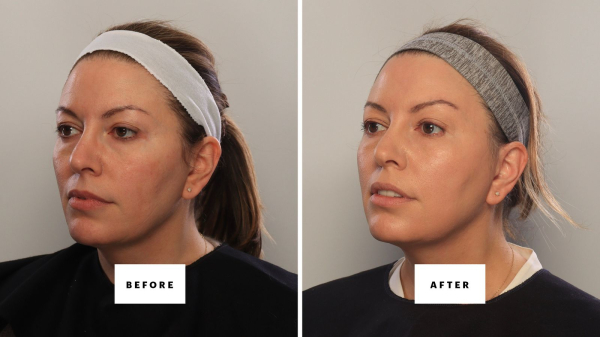
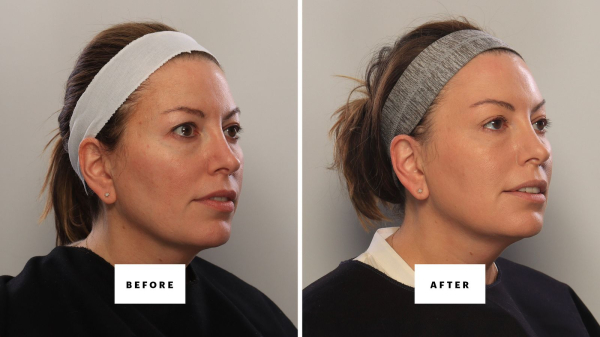
    My results: Subtle but real. My brows felt more supported, with a slight visible lift in the outer corners that made my eyes look more open by the end of the series.
    Series: 4 treatments, 1 week apart. Full results at 3-4 months
    Lasts: 6 months
    Devil’s Advocate: Studies are promising, but many are manufacturer-funded. If you’re expecting browlift-level results, temper expectations…a lot.
    Price: $1,800 for a series of four

    2. Collagen Remodeling: Sofwave

    If EmFace is about muscle training, Sofwave is about collagen building. About four weeks later, after EmFace had strengthened the muscles supporting my brow, Dr. Shamban layered in Sofwave to target the skin itself. In a Sofwave treatment, focused ultrasound energy penetrates the mid-dermis, deep enough to trigger increased collagen and elastin production, but not so deep that it melts the fat layer underneath. Around the eyes, that distinction is everything. You cannot afford to lose volume here. Instead, the goal is to make the skin that’s already there thicker, denser, and more supportive over time. “If you tighten along the brow, you can get a visible lift,” Dr. Shamban says.

    For similar effects, other dermatologists are partial to using devices like Thermage FLX, which delivers radiofrequency, and Ultherapy PRIME, which uses focused ultrasound, to achieve collagen-stimulating, skin-tightening effects around the eyes.

    What it feels like: Concentrated bursts of heat that build and peak, like someone pressing a very hot spoon against your brow for one sharp second. With 45 minutes of numbing cream first, it’s tolerable. Without it? I probably would’ve clenched my jaw the entire time. I asked for Pronox (laughing gas) for the most intense passes, especially over the brow bone, where the skin is thinnest and the heat feels sharpest.
    Downtime: A few hours of redness
    My results: A visible tightening along the brow line and upper lid area that created a modest but meaningful lift
    Series: 1 treatment, full results at 12 weeks
    Lasts: 1-2 years
    Devil’s Advocate: Sofwave can tighten skin. It cannot remove skin. If you have significant excess skin, known as dermatochalasis, surgery will always be your better bet.
    Price: $1,250 for eye area and brows

    3. Eyelid Tightening: Fotona Dynamic Pro SmoothEye

    One of the challenges with a nonsurgical approach is that even if you strengthen the brow muscles and firm the skin above the eye, the eyelid itself can still look lax. That's where SmoothEye comes in. Unlike Sofwave, which treats the broader brow and periocular area, SmoothEye uses a non-ablative Er:YAG laser to target the tissue-thin eyelid skin itself, triggering collagen remodeling. “We're contracting existing collagen while stimulating new production,” Dr. Shamban explains. “The goal isn't to change your anatomy. It's to make the tissue behave younger.” We added this after EmFace and Sofwave addressed deeper support layers.

    What it feels like: Warm pulses that build gradually, similar to a heated massage around the eyes.
    Downtime: Temporary redness and swelling can occur for 24 to 48 hours. I had mild pinkness and puffiness during that window, but both resolved quickly.
    My results: The skin on my upper lids looked firmer and less crepey, especially along the fold where hooding collects. Not dramatic on its own, but a meaningful contribution to an overall more open, rested appearance.
    Series: 3 treatments, spaced 4-6 weeks apart
    Lasts: About a year
    Devil’s Advocate: Individual before-and-afters can be impressive, but the clinical data on SmoothEye is still emerging. Think refinement, not reinvention.
    Price: $600-$1,200 per treatment, depending on the area

    4. Skin Resurfacing: Tixel + Regenerative Topicals

    Eyelid skin is the thinnest on the body, which means it keeps no secrets: crepiness, fine lines, and laxity show up here first. Thickening it can bring some of those things back under wraps. Tixel is a procedure that does that with a heated titanium tip studded with tiny pyramids that briefly stamp the skin, creating controlled microthermal injury. As those injuries heal, the skin responds by going into repair mode: producing new collagen and strengthening existing tissue to create a thicker, smoother surface over time. At a separate appointment from the treatments listed above, Dr. Shamban paired the Tixel with VAMP, a gel containing PDRN (polydeoxyribonucleotide), derived from purified salmon sperm DNA. Regenerative medicine is glamorous like that. Applied after the Tixel treatment, PDRN is intended to support the skin’s repair response. Research suggests it may help activate pathways involved in tissue regeneration, including fibroblast activity and collagen production.

    What it feels like: Rapid hot taps that are sharp and a bit startling
    Downtime: I felt sore for a couple of days, with some redness, tenderness, and tiny sand-grain crusts.
    My results: The fine, crepey texture around my eyes (underneath and on my lids) was softened in a way concealer never quite achieves.
    Series: 4 sessions, spaced 4 weeks apart, full results 4-6 months after final treatment
    Lasts: 6-12 months
    Devil’s Advocate: Tixel can improve crepiness, but it’s not lifting anything. Smoother skin is not the same as less skin.
    Price: $900 per treatment

    5. Subtle Brow Lifting: Daxxify

    Neuromodulators like Botox and Daxxify can be blamed for frozen foreheads and heavy lids. But in the right hands, it’s precision engineering. The goal of the forehead muscle is lift. That’s why you have horizontal lines. If you leave it alone and relax only the downward-pulling muscles around the eyes, you get an unopposed upward pull, which lifts the brows. Dr. Shamban injected my Daxxify with particular restraint. “If you relax the muscles too much, you lose the squeeze that helps move lymph. Then the eyelid can look puffier,” she explains. Instead of freezing everything in my face, she targeted only the depressors, the muscles that pull the brow down over time. By leaving the forehead elevator muscle active, the upward pull became unopposed.

    What it feels like: Quick pinches, minimal discomfort
    Downtime: Aside from a few tiny injection-site bumps that disappeared within an hour, I didn’t have much immediate downtime. A few days later, I developed a slight “Spock brow” on one side—a slightly overarched brow that’s a known possibility with neuromodulators and was easily adjusted at a follow-up visit. I, like most people, have natural muscle asymmetry, and those differences can become more noticeable after treatment.
    My results: The tails of my brows looked higher, and I could see more of my lids.
    Series: Every 3-4 months, full results at 2 weeks
    Lasts: 4 months
    Devil’s Advocate: This is precision work. Consider the Spock brow as your cautionary tale: One overly arched eyebrow that locks your face into permanent skepticism. On the flip side, if the heaviness is due to skin laxity rather than muscle pull, the lift could be minimal. Plus, injectors tend to be super-conservative in that area to preserve natural movement, so the results are often intentionally subtle.
    Price: $900-$1,200 for full eye area

    6. Intense Hydration: EnerJet

    EnerJet is a handheld device that uses high-pressure jet propulsion (not heat or needles) to push small amounts of hyaluronic acid into the upper dermis. My treatment was focused along the hairline and upper forehead, reinforcing the brow’s anchoring points rather than adding volume to the lid itself.

    What it feels like: Sharp, rubber-band snaps. Loud but brief.
    Downtime: Mild swelling and tiny, mosquito bite bumps for 2-3 days. Bruising from a ruptured capillary is possible; I got bruising that took 5 days to clear.
    My results: A slight improvement in skin quality and bounce, with a subtle supportive effect along the brow
    Series: Every 4 months, results are immediate
    Lasts: 3-4 months
    Devil’s Advocate: The science is still evolving, and I’m not convinced the results fully justify the price. This is more supporting actor than leading role.
    Price: $1,500 per session

    7. (Very) Temporary Lid Lifting: Upneeq

    The active ingredient in these prescription eye drops is oxymetazoline hydrochloride, which stimulates the Müller’s muscle that controls involuntary eyelid elevation, causing it to contract and lift the lid for up to eight hours. It’s surprisingly impactful. “I use them in the morning if I’m tired,” Dr. Shamban told me. “It pops my eyes open, and I literally feel more awake.” When I put one drop in each eye (they come pre-dosed in pouches), my eyes look noticeably wider within a few minutes. Upneeq is the only FDA-approved, at-home treatment for ptosis.

    What it feels like: A mild tightening sensation for a few seconds, then nothing
    Downtime: I didn’t experience any, but possible side effects include temporary redness, irritation, dryness, or blurred vision.
    My results: Noticeably more open eyes within minutes, a quick, reliable refresh
    Series: Daily as needed, results in 5-10 minutes
    Lasts: 8 hours
    Devil’s Advocate: The effects last only 12 hours at most: You won’t see any permanent or even semipermanent lifting, even if you use these consistently.
    Price: About $200-$250 for a box of 30 prefilled droppers. Each single-use dropper contains enough solution for both eyes.

    8. Depuffing: CARA Multi-Modal Device

    I’ve been using the CARA microcurrent device—a wand Dr. Shamban helped develop that combines radiofrequency, electrical muscle stimulation, and LED—several nights a week. Before each session, I apply a conductive gel that helps the electrical currents travel evenly and allows the device to glide across my skin. It hums faintly across the brows and undereye areas. It's not painful, just a steady, almost meditative tickle. Microcurrent won’t replicate surgery, but over time, supporting muscle tone and lymphatic flow can make lids look less puffy and undereyes more smooth. Other at-home microcurrent devices that Allure editors have seen results from are the NuFace Trinity and Ziip Halo, though any model requires consistent use for noticeable change.

    What it feels like: Gentle tingling and rhythmic contractions beneath the skin. The device warms slightly as it glides, creating a relaxing, almost spa-like sensation.
    Downtime: None
    My results: Less morning puffiness, particularly under my eyes, and a slightly more lifted, refreshed look with ongoing use. Subtle and cumulative, definitely no drama here.
    Series: 15 minutes per session, 3-5 times a week
    Devil’s Advocate: Consistency is everything. Use home energy devices religiously and you may see a difference.
    Price: $350 for the device

    My Final Results (and Final Receipt)

    a woman in her 40s before and after 8 treatments to lift her eyelids without a blepharoplastyCourtesy Subject

    Eight months after starting treatments (a total of 19 appointments with Dr. Shamban and her team of registered nurses and physician assistants), the changes are real. I’ve actually seen way more improvement than I expected. Maybe I managed my expectations a little too much? No one has gasped or asked what I’ve “had done.” But that’s the point, especially in this part of the face. The outer third of my brows sits slightly higher. More lid is visible when my eyes are open. The fine crepiness around my eyes has noticeably diminished. Friends tell me I look rested. Unflattering lighting is harder to come by.

    If surgery is 100%, I’d call this tweakment extravaganza a solid 40%. But what surprised me most wasn’t the visual shift. It was the one I could clock without looking in the mirror. The midday droop that used to make me feel exhausted around 3 p.m.? Gone. I stopped instinctively tilting my chin to manufacture a good angle. I no longer keep a scrunchie at my desk for an emergency ponytail lift.

    I still have hooding. That slight droop is part of my eye shape, part of my identity. Erasing it entirely would change me. I know this after seeing a familiar necklace across a restaurant and realizing it belonged to a woman I’ve known for years but no longer recognized. The difference now is that my face finally reflects how I actually feel. And at this stage of aging, that may be enough.

    a woman in her 40s before and after 8 treatments to lift her eyelids without a blepharoplastyCourtesy Subject

    Then there’s the financial reality. It’s a lot. A comprehensive, nonsurgical protocol like mine can easily reach $12,000—and a year later almost all results will be gone. The treatments must be repeated indefinitely to maintain results. (My initial series of procedures was provided gratis by Dr. Shamban’s practice.) By comparison, an upper blepharoplasty averages about $5,000 in the US, while a lower blepharoplasty typically runs around $8,000, according to the American Society of Plastic Surgeons, but the final bill can be several thousand dollars higher once anesthesia and facility fees are added. A brow lift, which can be performed alone or combined with a blepharoplasty, averages around $5,500. In major markets, the total can climb significantly. A conservative upper and lower blepharoplasty in Los Angeles or another major city can approach $20,000 once all fees are factored in.

    Surgery also comes with very real recovery–about two weeks of swelling and bruising, with most patients returning to normal activities within two weeks. Surgery is more invasive and painful, but “a well-executed surgical result can last a decade or longer,” Dr. Schwarcz says. One thing to keep in mind: If excess upper lid skin is significant enough to impair vision, insurance may cover part or all of a blepharoplasty, though this requires testing and documentation.

    I’m thrilled with what Dr. Shamban’s protocol delivered. Her layered approach was cumulatively powerful. The changes are real. I look like myself, only less tired. But maintaining those results is a commitment. I won't pretend the process was easy. At roughly $12,000 a year out of pocket—not to mention the appointments, the driving, the numbing, the downtime, the recovery—I find myself thinking, Wouldn't one surgical procedure actually be easier than repeating this cycle indefinitely? Honestly, maybe.

    I haven’t booked surgery. But I’ve also stopped romanticizing the idea of avoiding it. What I’ve realized is that I’m not anti-surgery. I’m just not into overcorrection. If I move forward, I may consider an endoscopic mini brow lift rather than a traditional upper bleph. It’s an option I didn’t even know to ask about before reporting this piece.

    More than anything, it’s bought me time to understand what’s changing, to get clear on what bothers me and what doesn’t, and to figure out how to get a face that matches how I feel. Watching my neighbor wave at me from across the restaurant, I finally understood what I was actually after. The goal was never to look sculpted, dramatically retouched, or surgically finessed. After eight months and 19 appointments, the goal is simple: to look awake—and legible.

    Note: Throughout this story, I mention the exact brand names of the tools and products Dr. Shamban and her team used. However, many of these technologies are not unique and represent one example in a broader category. SmoothEye is one of several Er:YAG lasers used around the eyes. Other popular Er:YAG devices for the eye area include Sciton Joule and Lutronic Action II. Sofwave is one of a handful of ultrasound-based skin-tightening devices. Other energy-based approaches include Thermage FLX, which uses monopolar radiofrequency, and Ultherapy PRIME, which uses microfocused ultrasound. Daxxify is one of six FDA-approved botulinum-toxin neuromodulators, including Botox, Dysport, Xeomin, Jeuveau, and Letybo. EnerJet is one of several needle-free, pressure-based injection systems. EmFace and Tixel each use patented mechanisms (HIFES muscle stimulation and Thermo-Mechanical Action, respectively) that are more unique to their manufacturers. Upneeq is currently the only FDA-approved at-home treatment for ptosis, with no direct branded competitor.

  • 6 Best Exfoliating Body Washes 2026 for Smoother Skin

    6 Best Exfoliating Body Washes 2026 for Smoother Skin

    A collage of an Allure editor holding CeraVe body wash alongside other product silos on an orange backgroundCollage: Paula Balondo; Source images: Courtesy of Allure editors and brandsSave StorySave this storySave StorySave this story

    The best exfoliating body washes do more than cleanse—they smooth out rough skin using a blend of chemical or physical exfoliants and barrier-supporting ingredients. Whether you’re dealing with keratosis pilaris (a.k.a. strawberry skin), body breakouts, ingrown hairs, or general dryness, the right formula can make a major difference.

    Many exfoliating body washes use chemical ingredients, like glycolic, lactic, or salicylic acid, to break down dead skin cells and clear out clogged pores. These acids (often labeled as AHAs, BHAs, or PHAs) do the heavy lifting when it comes to maintaining even skin texture and controlling breakouts. Others may include physical exfoliants, such as fine scrub particles, to manually remove dead cells from the skin.

    Our Top Exfoliating Body Washes

    • Best Overall: Nécessaire The Body Wash in Hinoki, $28
    • Best for Keratosis Pilaris: First Aid Beauty KP Bump Eraser Body Scrub, $30
    • Best for Dry Skin: Glytone Exfoliating Body Wash, $16
    • Best for Acne: Byoma Blemish Acne Clearing Body Wash, $15

    Frequently Asked QuestionsAccordionItemContainerButtonLargeChevron

    • Is it okay to use an exfoliating body wash daily?
    • What is the best exfoliating body wash for sensitive skin?
    • Meet the experts
    • How we test and review products
    • Our staff and testers

    Before you brace yourself for a rough, red, irritated aftermath, know this: You’ll often find these paired with soothing ingredients like aloe, ceramides, or niacinamide to calm and protect the skin barrier. Ahead, we’ve rounded up the best exfoliating body washes for every skin concern, whether you're looking for a heavy-duty polish for a weekly reset or body care that’s gentle enough for daily use.

    Best Overall: Nécessaire The Body Wash in Hinoki

    Nécessaire The Body Wash Hinoki bottle of body wash with beige cap on light gray backgroundSave to wishlistSave to wishlist

    Nécessaire

    The Body Wash in Hinoki

    $28

    Amazon

    $28

    Nordstrom

    $28

    Credo Beauty

    Allure contributing commerce editor Deanna Pai using the Nécessaire The Body Wash in Hinoki

    Deanna Pai

    Why it’s worth it: Nécessaire's The Body Wash in Hinoki is a skin-care treatment disguised as a cleanser. Since we crowned the fragrance-free version as the best body wash for sensitive skin, it doesn’t surprise us that dermatologists also love the exfoliating, scented version. “This formula is incredibly well-balanced,” says Dendy Engelman, MD, a board-certified dermatologist based in New York City. “It exfoliates with a gentle blend of glycolic, lactic, and salicylic acids, while also nourishing the skin with niacinamide and glycerin.” She recommends it for body breakouts, dullness, and dryness, noting that it “supports the skin barrier instead of stripping it.” The woodsy Hinoki scent, inspired by Japanese cypress, instantly evokes a mountain spa vibe, and honestly, who wouldn’t want that in their shower routine?

    Tester feedback from contributing commerce editor Deanna Pai

    AccordionItemContainerButtonLargeChevron

    “I hoard Nécessaire's body washes for one reason: They're good! But the Hinoki is my favorite, especially in the summertime when my skin is peppered with mosquito bites—which inevitably lead to dark spots. The exfoliating acids help them fade more quickly (think weeks, not months) and I love the sheer convenience of having a potent exfoliant and body wash in a single step. Bonus: The Hinoki scent is fresh and green, like a walk in the woods.” —Deanna Pai, contributing commerce editor

    Tester feedback from commerce producer Sarah Hoffmann

    AccordionItemContainerButtonLargeChevron

    “I’m a certified Hinoki Head™. As evidenced by my well-loved bottle, I adore it, but I'd still be hoarding these body washes even if they hadn't added my favorite woody, slightly spicy fragrance to it. It forms a nice, medium lather, and the trio of exfoliating acids—AHA, BHA, and PHA—smooth out rough patches of skin—has definitely made a difference in the KP on my upper arms. I am not an early riser at all, but having my morning shower smell like a lush, tree-lined spa makes waking up with my alarm a little easier.” —Sarah Hoffmann, commerce producer

    More to know

    AccordionItemContainerButtonLargeChevron

    • Key ingredients: lactic acid, glycolic acid, mandelic acid, salicylic acid, niacinamide
    • Scent: hinoki, basil, magnolia, vetiver

    Best for Keratosis Pilaris: First Aid Beauty KP Bump Eraser Body Scrub

    First Aid Beauty KP Bump Eraser Body Scrub in branded tube component with best of beauty seal in the top right corner on a light gray backgroundSave to wishlistSave to wishlist

    First Aid Beauty

    KP Bump Eraser Body Scrub

    $30 $25 (17% off)

    Amazon

    $30

    Nordstrom

    $30

    Dermstore

    Allure former content director Kara McGrath using First Aid Beauty’s KP Smoothing Body Lotion

    Kara McGrath

    Why it’s worth it: If you've got keratosis pilaris, chances are you've cycled through more body scrubs and lotions than you can count—only to end up with the same stubborn bumps. “KP is one of those conditions where patients often feel like nothing works, and I find First Aid Beauty's KP Bump Eraser Body Scrub actually delivers noticeable improvement with consistent use," says Alexandra Bowles, MD, board-certified dermatologist based in Cincinnati.

    This 2025 Best of Beauty-winning formula takes a two-pronged approach, pairing 10% glycolic and lactic acids (to dissolve the buildup of dead skin cells that clog hair follicles) with fine pumice buffing beads that instantly smooth rough texture. To keep all that exfoliation from feeling overly aggressive, soothing bisabolol calms potential irritation while vitamin E replenishes moisture and supports the skin barrier. “Treating KP requires patience, but this addresses the root issue rather than just temporarily softening the skin,” she says.

    Tester feedback from former content director Kara McGrath

    AccordionItemContainerButtonLargeChevron

    "First Aid Beauty’s KP Bump Eraser Body Scrub has a potent, 10% alpha-hydroxy acid-infused formula, along with a gritty texture to double down on all the clogged pores, ingrown hairs, and keratosis pilaris along my body. This stuff means business, so I usually use this scrub once per week on problem areas, like my upper arms and back, and rougher patches of skin after cleansing." —Kara McGrath, former content director

    More to know

    AccordionItemContainerButtonLargeChevron

    • Key ingredients: pumice buffing beads, glycolic acid, lactic acid, bisabolol, vitamin E
    • Scent: none

    Best Drugstore: CeraVe SA Body Wash for Rough & Bumpy Skin

    CeraVe SA Body Wash for Rough & Bumpy Skin on a grey backgroundSave to wishlistSave to wishlist

    CeraVe

    SA Body Wash for Rough & Bumpy Skin

    $14

    Amazon

    $14

    Dermstore

    Allure contributing commerce writer Christa Joanna Lee using the CeraVe SA Body Wash for Rough & Bumpy Skin

    Christa Joanna Lee

    Why it’s worth it: When it comes to skin care, CeraVe is one of the best-known drugstore brands around, and their SA Body Wash for Rough & Bumpy Skin is a derm go-to for smoothing and restoring rough skin. “It cleanses and exfoliates while simultaneously helping to restore the skin barrier with three essential ceramides,” says Y. Claire Chang, MD, a board-certified dermatologist based in New York City. In addition to barrier-repairing ceramides, the formula includes salicylic acid to clear pores and gently exfoliate, as well as hyaluronic acid and niacinamide to deeply hydrate, soothe, and strengthen the skin. It’s fragrance-free and non-stripping, making it ideal for those with sensitive skin.

    Tester feedback from contributing commerce writer Christa Joanna Lee

    AccordionItemContainerButtonLargeChevron

    “I’ve dealt with strawberry skin on my thighs and upper arms for most of my life, and this is one of the few body washes that actually helps without irritating my skin. The gel texture feels silky going on, builds a satisfying lather, and somehow manages to exfoliate while leaving my sensitive skin feeling calm, moisturized, and noticeably smoother.” —Christa Lee, contributing commerce writer

    More to know

    AccordionItemContainerButtonLargeChevron

    • Key ingredients: salicylic acid, hyaluronic acid, ceramides, niacinamide
    • Scent: none

    Best for Dry Skin: Glytone Exfoliating Body Wash

    Glytone Exfoliating Body Wash in branded tube component on a light gray backgroundSave to wishlistSave to wishlist

    Glytone

    Exfoliating Body Wash

    $16

    Amazon (2 fl oz.)

    $38

    Dermstore (6.7 fl oz.)

    Why it’s worth it: Glytone literally takes its name from its hero ingredient, glycolic acid, "which is one of the most well-researched AHAs for improving skin texture, tone, and overall radiance," says Dr. Bowles. Glycolic acid exfoliates dead skin cells that can otherwise contribute to rough patches and keratosis pilaris, while glycerin offsets dryness by drawing moisture into the skin. "It's effective without being overly harsh, and it works well for people dealing with rough skin or dullness on the body," says Dr. Bowles, who recommends letting it sit on the skin for a minute or two before rinsing to maximize the exfoliating benefits.

    More to know

    AccordionItemContainerButtonLargeChevron

    • Key ingredients: glycolic acid, glycerin
    • Scent: none

    Best for Acne: Byoma Blemish Acne Clearing Body Wash

    Byoma Blemish Acne Clearing Body Wash in branded component on a light gray backgroundSave to wishlistSave to wishlist

    Byoma

    Blemish Acne Clearing Body Wash

    $15

    Amazon

    $15

    Ulta Beauty

    Why it’s worth it: If you're prone to body acne, one of the easiest ways to keep breakouts at bay is by reaching for an exfoliating body wash. Byoma's Blemish Acne Clearing Body Wash combines 2% salicylic acid to unclog pores and reduce excess oil, and bakuchiol (a gentle alternative to retinol) to promote skin cell turnover and reduce the appearance of uneven texture. "What I appreciate about this one is that it tackles body acne without completely wrecking the skin barrier, which is a common complaint I hear from patients who've tried more aggressive options," says Dr. Bowles. Alongside the salicylic acid, the formula features ceramides and glycerin to nourish and comfort skin. "The texture is lightweight, which helps with consistently remembering to use it,” she says.

    More to know

    AccordionItemContainerButtonLargeChevron

    • Key ingredients: 2% salicylic acid, bakuchiol, glycerin, ceramides
    • Scent: none

    Best for Mature Skin: Skinfix Resurface+ Glycolic and Lactic Acid Renewing Body Scrub

    Skinfix Resurface+ Glycolic Renewing Body Scrub in branded tube component on a light gray backgroundSave to wishlistSave to wishlist

    Skinfix

    Resurface+ Glycolic Renewing Body Scrub

    $33

    Sephora

    Why it’s worth it: If you’re looking to improve skin texture fast, Skinfix's Resurface+ Glycolic and Lactic Acid Renewing Body Scrub combines both chemical and physical exfoliants to get the job done. “It combines willow bark extract, glycolic and lactic acids with soothing aloe and skin-conditioning ingredients,” says Dr. Engelman. “It’s great for targeting roughness, uneven tone, or post-inflammatory hyperpigmentation on the body.” While it does contain physical exfoliant particles, the super-milled texture is ultra-fine and gentle, so it won’t scratch or irritate sensitive skin. “I especially like this for patients with more advanced sun damage or those prepping for body treatments like lasers or peels,” she says. Unlike your typical body wash, this one is meant to be used on dry skin before your shower. Then, rinse off with warm water.

    More to know

    AccordionItemContainerButtonLargeChevron

    • Key ingredients: 5% glycolic acid, 5% lactic acid, willow bark extract
    • Scent: subtle and fruity, thanks to orange and lemon extract, with zero added fragrance

    Frequently Asked Questions

    Is it okay to use an exfoliating body wash daily?

    Using an exfoliating body wash every day isn’t always the best idea, especially if you have sensitive or dry skin. “I do not typically recommend using an exfoliating body wash every day, as this can dry out the skin and cause irritation, especially in those with sensitive skin,” says Dr. Chang. “I recommend using exfoliating body washes two or three times per week as tolerated, and alternate with a gentle hydrating body wash.” If your skin starts to feel tight, itchy, or irritated, it’s a sign to scale back and focus on replenishing your barrier with more moisturizing formulas in between.

    What is the best exfoliating body wash for sensitive skin?

    The best exfoliating body wash for sensitive skin is one that uses gentle chemical exfoliants and includes barrier-supporting ingredients. “For those with sensitive skin, I recommend gentle exfoliants like lactic acid and PHA, both of which are unique in that they exfoliate and hydrate at the same time,” says Dr. Chang. She adds that low concentrations of salicylic acid and glycolic acid may also be tolerated, but higher concentrations can be too harsh. “I also typically prefer chemical exfoliants over physical exfoliants, which may cause excessive irritation and inflammation of the skin.” Look for formulas with added hydrators, such as ceramides, aloe, or hyaluronic acid, to keep the skin calm and balanced.

    Meet the experts

    • Alexandra Bowles, MD, board-certified dermatologist at MONA Dermatology based in Cincinnati
    • Y. Claire Chang, MD, a board-certified dermatologist at UnionDerm based in New York City
    • Dendy Engelman, MD, a board-certified cosmetic dermatologist and Mohs surgeon at Shafer Clinic based in New York City

    How we test and review products

    When Allure tests a product, our editors look at it from every angle in an effort to best serve you. We review ingredients, scrutinize brand claims, and, when necessary, examine peer-reviewed scientific and medical studies. In addition to testing each and every product that's included in each and every review, we rely on experts who shape their fields, including dermatology, cosmetic chemistry, and medicine, to help us vet the ingredients and formulas.

    For our list of the best exfoliating body washes, we considered each product's performance across five primary categories: product ingredients and efficacy, packaging, fragrance, texture, and product wear. Every product was determined to have excelled in each category by our editorial team, which is composed of in-house writers and editors as well as contributors—along with special consideration from dermatologists. To learn more information on our reporting and testing processes, read our complete reviews process and methodology page.

    Our staff and testers

    A beauty product is a personal purchase. You might be searching for a face cream to address persistent dryness or a new nail product to add to your Sunday self-care routine; you may simply be browsing around for the latest launches to hit the hair market. No matter what you seek or your individual needs and concerns, Allure wants to ensure that you love anything we recommend in our stories. We believe that having a diverse team of writers and editors—in addition to the wide range of outside testers and industry experts we regularly call upon—is essential to reaching that goal.

    After all, can we really say a skin-care product is the "best" for people over 50 if the only testers we've solicited opinions from folks who have yet to hit 30? Can we honestly deem a high-end diffuser worthy of your hard-earned cash if it's never been tested on curls? We're proud that our staff spans a wide range of ages, skin tones, hair textures, genders, and backgrounds, which means that we are able to fairly assess any beauty product that comes into the beauty closet.

  • Everything You Need to Know About Hair Removal If You Have Psoriasis

    Everything You Need to Know About Hair Removal If You Have Psoriasis

    woman shaving legAdobeSave StorySave this storySave StorySave this story

    While psoriasis can come with its fair share of everyday annoyances, hair removal should be a relative breeze as long as you don’t have an active flare-up. “The truth is that most people with psoriasis are not tremendously bothered by gentle hair removal as long as their psoriasis is controlled,” says Shira Y. Wieder, MD, a board-certified dermatologist at Montefiore Einstein Advanced Care in New York City.

    Anyone who hasn’t found an effective method to ward off their psoriasis flares should take serious precautions before doing any type of hair removal, as it carries a real risk of triggering new plaques even in areas that weren’t affected before. However, if your psoriasis is well managed by prescription treatments, you’ll likely be able to shave, laser, wax, and pluck almost exactly like anyone else. “The risk of triggering new plaques drops but doesn’t fully disappear,” says Divya Shokeen, MD, a board-certified dermatologist and founder of OSVI Dermatology and Surgical Institute in California. Here are a few precautions to keep in mind to avoid irritating your skin and triggering a flare-up.

    Meet the experts:

    • Shailer Carruth is a licensed esthetician in Brattleboro, Vermont.
    • Tracy Evans, MD, is a board-certified dermatologist and the medical director of Pacific Skin and Cosmetic Dermatology in California.
    • Divya Shokeen, MD, is a board-certified dermatologist and founder of OSVI Dermatology and Surgical Institute in California.
    • Shira Y. Wieder, MD, is a board-certified dermatologist at Montefiore Einstein Advanced Care in New York City.

    In this story:

    • How having psoriasis can affect hair removal
    • The best hair removal methods for psoriasis-prone skin
    • Hair removal methods to approach with caution
    • What to do if hair removal causes a flare-up

    How Having Psoriasis Can Affect Hair Removal

    “It’s one word: Koebnerization,” Dr. Shokeen says of what can make hair removal trickier for people with any inflammatory condition like psoriasis, especially during an active flare. For people with psoriasis, the Koebner effect occurs when trauma stimulates the immune system to develop plaques, Dr. Wieder says. In other words, if your psoriasis is active and you suffer any sort of minor skin injury (like a nick from a razor or a burn from too-hot wax), you could see more psoriasis, especially if it’s close to a psoriatic plaque, Dr. Shokeen says.

    She emphasizes that this does not mean your psoriasis is “spreading” because psoriasis is not an infectious disease (meaning it’s not contagious). Instead, these minor injuries can start a new inflammatory reaction anywhere on the body, especially if your psoriasis is not controlled by medication.

    In addition to the risk of Koebnerization, people with psoriasis tend to have drier skin, which compromises the skin barrier, Dr. Shokeen says. This means the skin can become irritated fairly easily. As a result, it “tends to develop more redness, stinging, or lingering marks from things that a non-psoriatic patient would tolerate,” she explains.

    With all of that in mind, the first step in safe hair removal should be to manage your psoriasis with prescription treatments, many of which can completely eliminate symptoms. This is especially true if you’re taking an injectable medication like the biologics Humira or Skyrizi, says Tracy Evans, MD, a board-certified dermatologist and the medical director of Pacific Skin and Cosmetic Dermatology in California. However, since psoriasis can only be managed and not cured, the risk of Koebnerization from hair removal remains for anyone with the condition, although it’s much lower in those cases.

    On the flip side, if you’re still in the process of finding a psoriasis treatment that works for you, Dr. Shokeen says all hair removal methods carry a high risk. “Anything that’s causing repeated, mechanical trauma could potentially trigger your psoriasis.”

    The Best Hair Removal Methods for Psoriasis-Prone Skin

    If your psoriasis is well managed and the hair removal method is performed correctly, the dermatologists interviewed here agree you’ll likely be fine to use any method as long as you do so carefully. However, they note you should ideally speak with your own doctor before trying anything new. It will ultimately be a matter of trial and error to find which one works best for you, but these are a few safer options to consider.

    Shaving

    All three dermatologists interviewed for this piece agree that, aside from the risk of accidental cuts that could cause skin trauma, shaving is one of the safest hair removal methods for people with psoriasis. With shaving, “you’re [removing hair] above the follicle, not pulling it out,” Dr. Evans explains.

    Dr. Wieder agrees and notes that it’s especially important for people with psoriasis to use a sharp razor and shave in the direction of hair growth rather than against the grain. Both will help ward off the irritation that can trigger Koebnerization. And if you’re trying to navigate around a psoriasis plaque, proceed with caution. “Avoid shaving off the scales because it’ll bleed underneath,” Dr. Wieder says.

    Laser hair removal

    Laser hair removal might sound like it carries a high risk of causing trauma, but the dermatologists interviewed agree it’s actually one of the safer options for psoriasis patients, as long as it is administered correctly. (Laser burns have the potential to cause, say it with us, Koebnerization.) “Even though you would think [a laser] would be traumatic to the hair follicle, it does seem to be safe,” Dr. Wieder says, pointing to studies on lasers that have shown their potential for treating psoriasis. Dr. Evans echoes this, noting that “heat and light” don’t seem to be an issue for people with psoriasis.

    “I do laser hair removal on psoriasis patients all the time,” Dr. Shokeen says. She notes her preference for long-pulsed Nd:YAG lasers (1,064 nm), though she says diode lasers (about 800 to 810 nm) can also work if the settings are dialed down. Either way, it can be a tricky balance to get the levels just right, and the settings will need to be adjusted for each patient.

    “If the energy of the device is too low, you’ll actually get hair regrowth,” she says. “It’s complicated to treat a psoriatic patient [with lasers], to say the least.” That’s why she always recommends that people who have psoriasis get laser hair removal in “a physician-supervised, medical-grade setting rather than a standard laser chain. There are more med spas than McDonald’s,” she says, noting her skepticism that all the people employed in those many locations would be fully trained to treat people with psoriasis.

    Hair Removal Methods to Approach With Caution

    As mentioned above, if your psoriasis is well controlled, you will likely be okay no matter how you remove unwanted hair as long as it’s done carefully. However, these methods carry some extra risks worth considering.

    Depilatories

    Hair removal creams (depilatories) may be a good option for someone with psoriasis because, like shaving, they don’t cause much trauma to the hair follicles. However, Dr. Wieder notes that these products can be irritating to many people, with or without psoriasis, so she always recommends a patch test beforehand on the areas where you plan to apply the depilatory. If you want to use it on your face, for example, Dr. Wieder recommends trying “some spots under the chin to see if you can tolerate it.”

    Waxing

    Although people with psoriasis can certainly get waxed, it’s the method that arguably comes with the most risk. “Waxing could pull on the skin and create microabrasions or tears,” says Dr. Evans. She says psoriasis is more likely to develop on areas that have been injured, even if the damage is minor. Dr. Evans also cautions that if the skin is damaged by waxing, new flare-ups could occur even in areas where you didn’t have plaques before.

    For this reason, Shailer Carruth, a Vermont-based esthetician who specializes in Brazilian waxing, says she waxes with her eyes as well as her hands. “The first thing I do if I’m going to wax someone who has psoriasis is check for any broken skin,” she says.

    If you’re going the DIY route, Carruth recommends using a hard wax, which adheres only to the hair, not the surrounding skin. A sticky strip wax, on the other hand, is going to exfoliate the top layer of skin, which could further aggravate a psoriatic flare-up.

    Tweezing

    “Plucking is very traumatic to the hair follicles,” Dr. Wieder says, so you’ll want to tweeze with caution if it is your preferred method. While Dr. Evans notes that it’s relatively uncommon to get psoriasis on the face, it’s not impossible, so you should think twice about plucking if you’re prone to getting plaques there.

    What to Do If Hair Removal Causes a Psoriasis Flare-Up

    Although hair removal is generally safe for people with controlled psoriasis, if you get any micro-injuries during the process, there is a small risk that it could trigger a flare-up. If that happens, Dr. Evans says you can use your topical prescription medication to treat the area. If the flare persists, reach out to your dermatologist.